
Surprising fact: more than half the park’s busiest months fall inside a four‑month stretch, so your choice of month changes everything about your trip.
I decide my travel window based on weather, access, and the moments I want to capture. I care about light for photos, open trails for hikes, and whether free shuttles run my route.
Acadia breaks into clear seasons: summer brings warm days and the warmest water, spring and fall are quieter shoulder months, and winter offers solitude with some road closures and groomed carriage roads for skiing.
Practical note: fees, Cadillac Mountain vehicle reservations, and Island Explorer schedules shape what you can do on any visit. I’ll help you match goals — beach, foliage, or quiet snow days — with the right season.
Key Takeaways
- Seasons matter: plan for summer services or winter solitude.
- Cadillac Mountain needs a vehicle reservation mid‑May through October.
- Island Explorer buses run late May to mid‑October but don’t reach Cadillac.
- Entrance passes and campground bookings affect cost and convenience.
- Time your visit for tides at Thunder Hole or sunrise on Cadillac for peak moments.
At a Glance: Seasons, Weather, and Crowds in Acadia National Park
I sort the year into clear blocks so you can match weather, crowds, and activities at a glance. This quick map of seasons, months, and services helps you plan a day or a full trip without wading through long guides.
“Peak months can push monthly visitors into the 600,000–800,000 range; winter can drop to 10,000–15,000.”
High season: June–September
High season runs June through September. Summer days are long and warm, with highs from the upper 60s to mid‑80s and ocean water around 50–70°F.
Expect heavy crowds, lively Bar Harbor nights, full services, and Island Explorer buses in operation late May to mid‑October.
Shoulder seasons: April–May and October–November
Shoulder months bring fewer people and cooler weather. Trails feel quieter and evenings end earlier, but many facilities still run on reduced schedules.
Low season: December–March
Winter delivers near‑empty trails and snowy vistas. Visitor centers and campgrounds close, Park Loop Road is mostly closed Dec 1–Apr 14, and select carriage roads get groomed for skiing after big storms.
- Who each season fits: summer for full services and long days; shoulder months for fewer people and fair weather; winter for solitude and snow sports.
The best time to visit acadia national park based on your travel style
I choose dates that favor my priorities: bright colors, open summits, or low crowds.
For peak fall foliage and crisp hiking weather: I aim for mid-October. Peak colors usually land then, trails cool down, and the Precipice Trail is generally open again after nesting season. Weekdays feel noticeably quieter than weekends.
For warmest weather and full services: July–August delivers the longest days, the warmest water, Island Explorer buses, and all visitor services. Expect more visitors and higher prices, but everything is accessible.
For lower prices and fewer crowds: Late October through November or winter brings the lowest rates and empty trails. Pack serious layers and plan around seasonal closures on the Park Loop Road.
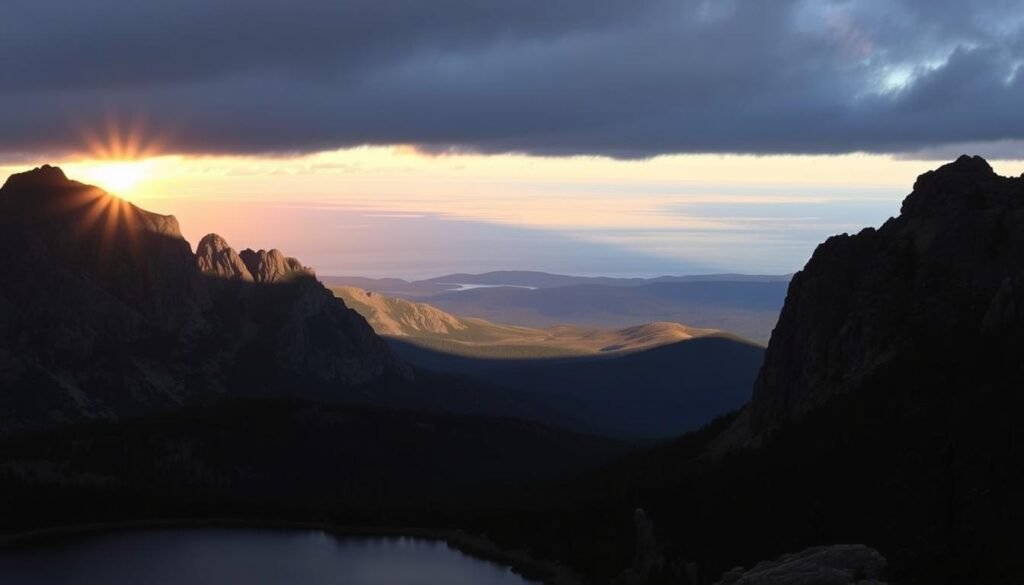
For Cadillac Mountain sunrise with smaller crowds: I prefer fall and shoulder-season mornings. The light is softer, the summit sees fewer people, and you still get that bucket-list sunrise without summer congestion.
- Quick tip: check schedules and reservations, and use a midweek plan for peak foliage weeks.
- For more on scheduling and practical details, see my planning guide.
Season-by-Season Guide: What to Expect and What to Do
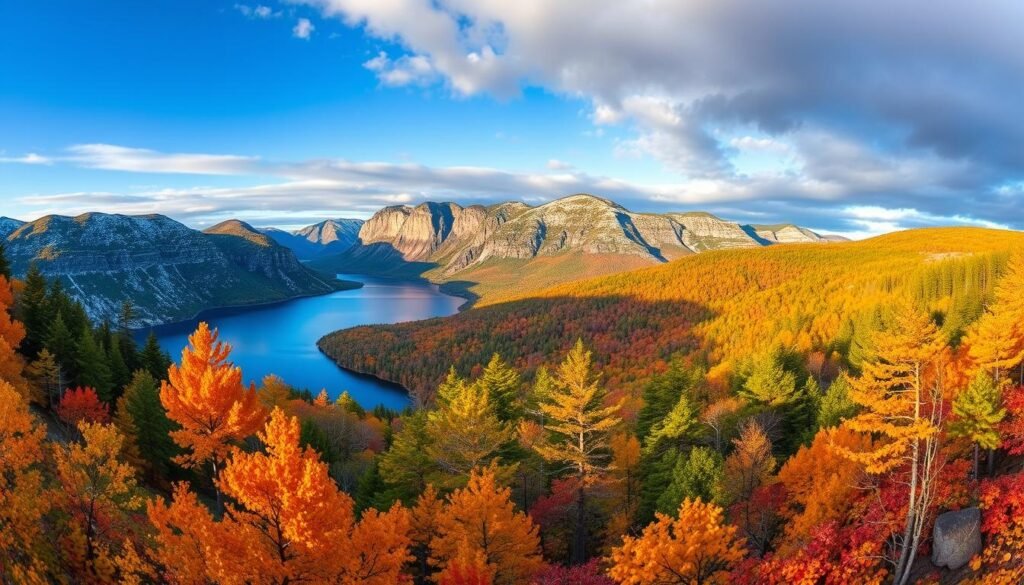
I map each season against what I want from a trip — quiet trails, warm water, or vivid colors — so planning is simple.
Spring (April–May): quiet trails, variable weather, early blooms
Spring brings quieter paths and changeable New England weather. Expect mud on remote trails and early blooms along carriage roads.
Do now: pack layers and trail shoes, check tide windows, and plan for shorter daylight on cooler mornings.
Summer (June–August): busiest months, Island Explorer running, warmest water
Summer days vary widely — from the 40s at dawn up to near 90°F inland, though July‑August highs usually sit in the upper 60s to mid‑80s.
Island Explorer buses run late May through mid‑October, which helps with parking and moves visitors around key sights.
Fall (September–November): color, cooler temps, Precipice reopens
Fall peaks around mid‑October with crisp air and rich colors along Jordan Pond and the carriage roads.
Precipice and Beehive often reopen after nesting season, so adrenaline‑filled routes are back on the menu for experienced hikers.
Winter (December–March): closed park roads, groomed carriage roads, snow sports
The Park Loop Road is closed Dec 1–Apr 14, and services are minimal in deep winter.
When snow totals allow, carriage roads get groomed for cross‑country skiing and snowshoeing; snowmobiling is allowed on the road and many fire roads.
“Cooler at summits than at sea level — pack layers and expect brisk wind on exposed ridges.”
- Quick tips by season: tide‑timed Thunder Hole in spring and summer; sunrise windows in fall; grooming reports in winter.
- Match your activities with months, and check transportation notes so you know when buses help or when you must self‑drive.
Iconic Acadia Experiences by Time of Year
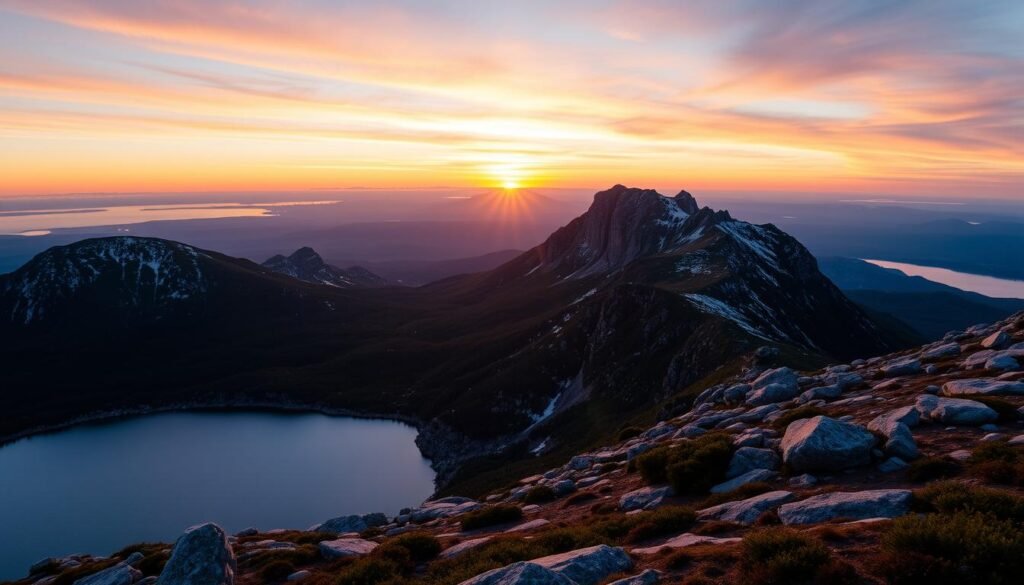
I highlight signature experiences and when their light, crowds, and access line up best. These are the must‑see moments and the small logistics that make them smooth.
Cadillac Mountain sunrise and sunset
The 3‑mile summit road requires a vehicle reservation from late May through late October, and there’s no time limit at the top. If you don’t secure one, hike the 2.2‑mile North Ridge Trail or alternate routes for sunrise cadillac views.
Sunset can be just as magical and often draws fewer people than the pre‑dawn rush. Note the Island Explorer does not serve Cadillac, so plan parking and timing accordingly.
Thunder Hole
For the dramatic roar and spray, arrive one to two hours before high tide. That window gives you the best chance of hearing the thunder and feeling the ocean slap the rocks.You can learn best-time-to-visit-bali
Sand Beach and Ocean Path
These sit along a Park Loop Road segment that stays open year‑round. Summer brings the warmest days and the most comfortable beach stops, but the ocean drama on the path works any season.
Jordan Pond and carriage roads
Follow the Jordan Pond loop, then treat yourself to tea and popovers at Jordan Pond House. The park’s 45 miles of gravel carriage roads and stone bridges make for peaceful biking and strolls with great views.
Schoodic Peninsula and the Quiet Side
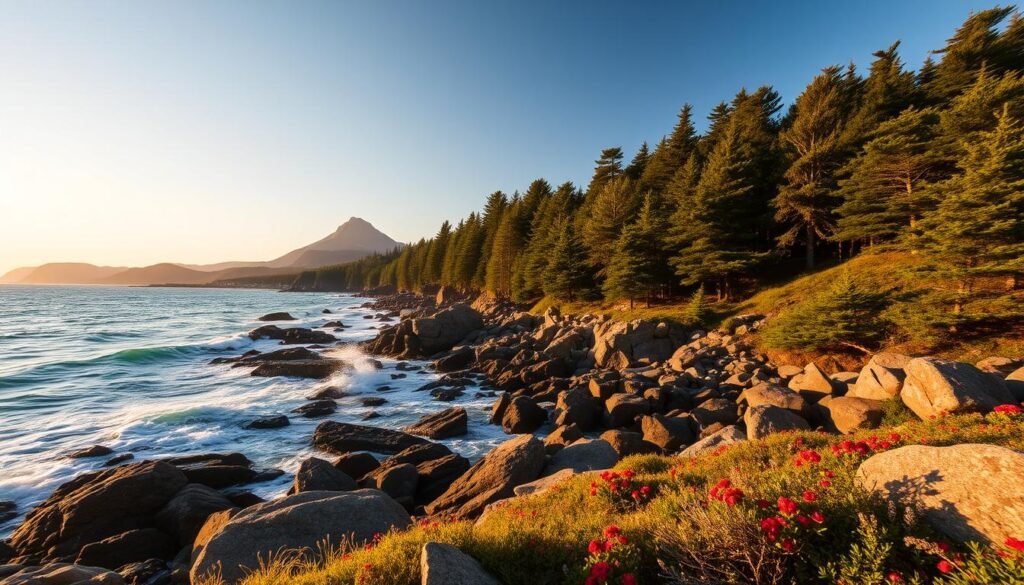
Head east for a quieter 6‑mile one‑way road, tide pools, and broad coastal views. It’s an ideal backup when lots are full or you want wide open scenery without the bustle.
“Plan stops in Park Loop Road order to avoid backtracking; if lots are full, start earlier or pivot to Schoodic.”
- Logistics I cover: reservation windows, hiking options, and how light and colors change each place by time year.
- Backup plans: shift your sunrise plan, try a carriage road ride, or explore the Quiet Side for the same views with fewer people.
Practical Planning: Fees, Reservations, Weather, and Getting Around

I focus on logistics first — fees, permits, and transit affect nearly every day I plan.
Passes and costs: A seven-day private vehicle pass is $35. An Acadia annual costs $70 and the America the Beautiful interagency pass is $80. Pick the option that fits whether you stay a few days or visit multiple parks this year.
Cadillac summit reservation
Cadillac Mountain summit road needs a vehicle reservation from late May through late October via Recreation.gov. Save or print your QR code so you can show it without cell service.
Road access and transit
The Park Loop Road is closed Dec 1–Apr 14 and runs mostly one-way clockwise from Hulls Cove Visitor Center when open. It’s about 27 miles, so plan driving time between stops.You can learn best-hawaiian-island-to-visit
- Island Explorer: buses run late May to mid-October on Mount Desert Island and Schoodic but do not serve Cadillac.
- Camping and lodging: campgrounds take reservations May–October (book up to two months ahead). Bar Harbor rooms range roughly $100–$400+ per night and fill fast in summer and peak fall weekends.
- Packing & dining: expect cooler summit temperatures and quick weather shifts. Pack layers even in July. Make Bar Harbor restaurant reservations, or plan grab-and-go meals; Jordan Pond House gets busy.
“Lock logistics early — reservations, passes, and transit shape how much you can see each day.”
Suggested Itineraries: Make the Most of Your Time
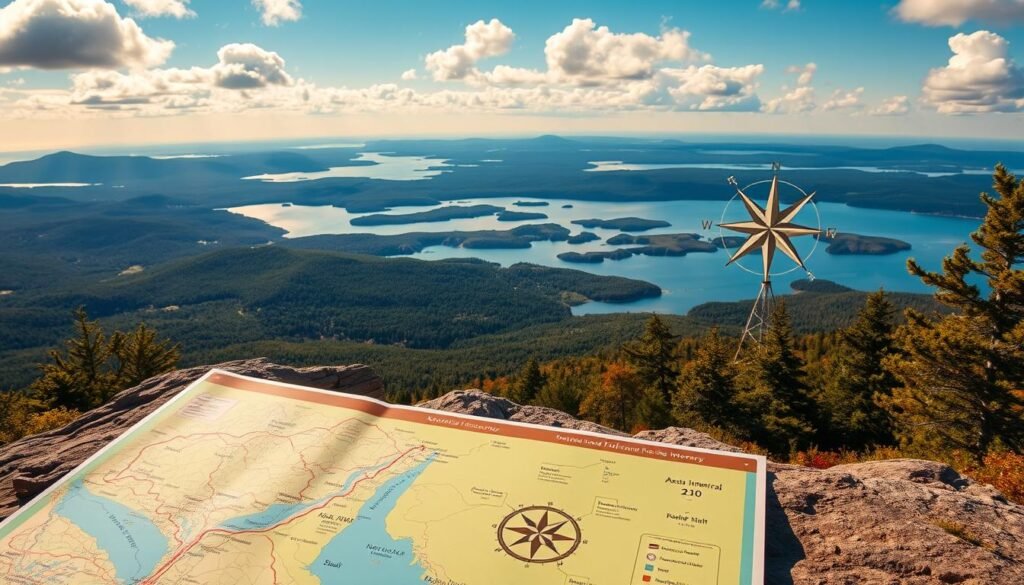
I lay out compact itineraries that help you hit headline sights without feeling rushed. Below are clear options whether you have a single day or a few days on the island.
One day: Park Loop Road, a summit, and a coastal sunset
Drive the loop road (about 27 miles) and stop for short walks at Sand Beach, Thunder Hole, and Jordan Pond.
Plan an early start to secure parking and check tide windows for Thunder Hole. Finish with a coastal sunset after a summit run up Cadillac Mountain, remembering reservations in season.
Three to four days: Cadillac sunrise, carriage roads, Quiet Side, Schoodic
Use extra days for a Cadillac sunrise, a carriage roads bike ride, and Quiet Side hikes around Echo Lake and Beech Mountain.
Reserve a Schoodic Peninsula loop by car or combine a ferry plus Island Explorer for a quieter way to explore. If you want a summit without a permit, hike the North Ridge Trail (2.2 miles) instead.
“If lots are full, pivot early to a carriage road ride; if fog rolls in, aim lower‑elevation trails.”
| Itinerary | Key stops | Estimated miles |
|---|---|---|
| One day | Park Loop Road, Sand Beach, Thunder Hole, Jordan Pond, Cadillac summit | ~27 miles driving |
| Three–four days | Cadillac sunrise, carriage roads, Echo Lake, Beech Mountain, Schoodic loop | Varies; 30–70 miles total |
| Alternate summit | North Ridge Trail (hike instead of driving) | 2.2 miles hiking |
- Start early for parking and sunrise windows.
- Check tides before Thunder Hole stops.
- Book Cadillac mountain vehicle reservations in season or choose the hike.
Why Fall Often Wins: Foliage, Photography, and Trail Access
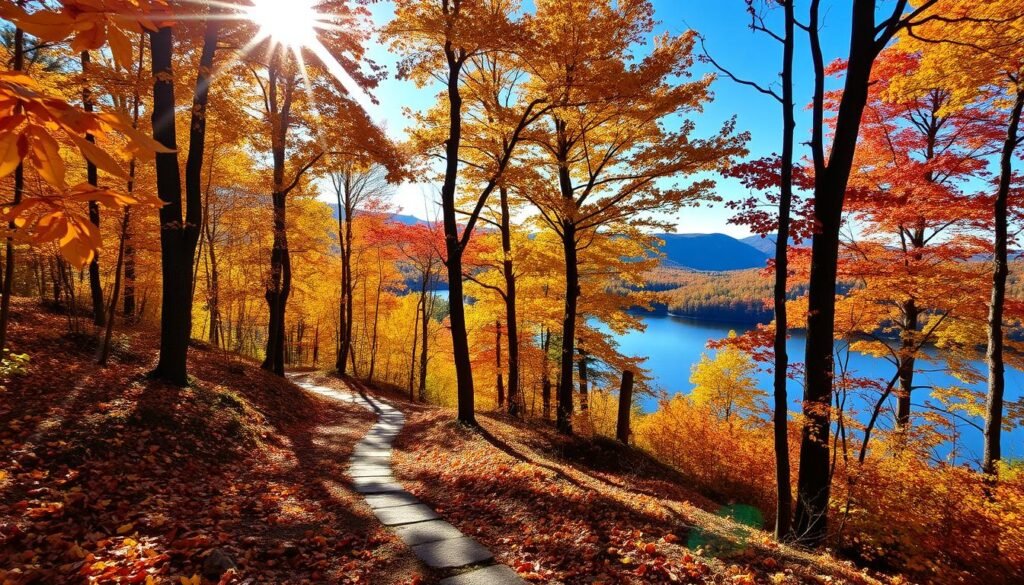
I aim for mid‑October because colors, cooler air, and reopened routes usually align for memorable days.
Foliage timing and crowds
Fall foliage typically peaks around mid‑October, though this varies by year and elevation. Weekends can still draw heavy crowds, so plan midweek if you want more space.
Photography perks
Later sunrises and earlier sunsets compress golden hours, making it easier to catch warm light without extremely early starts. Fewer visitors at overlooks gives cleaner foregrounds and calmer scenes for photos.
Precipice, Beehive, and whale watching
The Precipice and Beehive often reopen after nesting season, and autumn temperatures make these exposed hikes more comfortable. Note whale‑watching tours typically finish by early October, so book a September trip if that matters to you.
Weather and views: expect September highs near 65°F, October around 56°F, and November near 46°F. Summits can be windy; pack layers and a windproof shell for day and night comfort.
“Color rolls from ridge to coast—Jordan Pond reflections, Cadillac panoramas, and Loop Road ocean views shine in fall.”
| Feature | Peak months | Practical tip |
|---|---|---|
| Fall foliage | Mid‑October | Go midweek or early morning to avoid crowds |
| Photography windows | September–November | Use later sunrises/earlier sunsets for golden light |
| Precipice & Beehive | Autumn after nesting | Wear gloves and sturdy footwear for exposed ladders |
| Whale watching | Through early October | Book September tours for better chances |
- Quick plan: arrive midweek, layer up, and have Schoodic or the Quiet Side as a calm backup when lots fill.
- My note: New England foliage here is beautiful, even if inland states sometimes show more intense inland color.
Conclusion
I’ll keep this simple: the ideal window depends on whether you chase colors, long daylight, or quiet, snow‑draped trails at Acadia National Park.
Fall often wins for me: cooler weather, fewer crowds, and peak foliage make golden hours easier. Summer gives the longest days and full services, but expect higher prices and parking challenges.
Winter can be magical if you want solitude and groomed carriage roads after heavy snow, but know the Park Loop Road closes Dec 1–Apr 14 and services shrink.
Practical notes: fees, Cadillac reservations, and Island Explorer schedules shape your trip. Pack layers, stay flexible, arrive early, and linger for sunset — those quiet moments are what you’ll remember most.