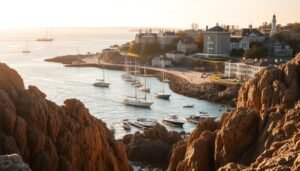

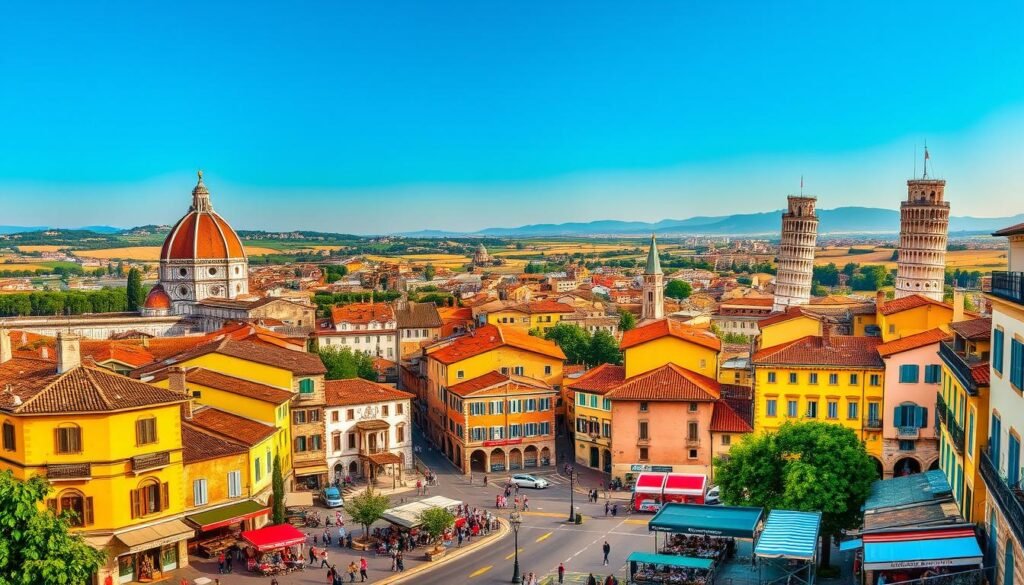
More than 60 million travelers pass through this country each year, drawn by monuments, coastlines, and an unmatched art legacy.
I wrote this short guide after trips that traced Rome’s ancient heart, Venice’s canals, and Florence’s art. My aim was simple: a clear, practical list you can use when planning a memorable trip.
I show how many days I actually needed at major sites, when a quick stop works best, and the logistics that matter—like Venice’s new tourist tax and the 30-minute boat runs to Murano and Burano.
Expect honest, field-tested advice on pacing, peak season crowds, and which seaside views are worth the effort. This intro sets the stage so you can pick the places that match your energy and time.
Key Takeaways
- I provide a focused list of standout cities and regions for a balanced trip.
- Suggested stays reflect real travel time I used at each site.
- Practical notes cover crowds, transport quirks, and seasonal tips.
- Big highlights: Rome/Vatican, Florence/Tuscany, Venice, and coastal villages.
- The guide helps you trade less-essential stops for more meaningful experiences.
How I Choose the Best Cities to Visit in Italy for a First-Time Trip
I pick stops that let me soak up art, ancient history, bold architecture, and sweeping views without turning the trip into a blur. My priority is quality over quantity: I want time to feel the place, not just tick boxes.
What I value
I start with one city that offers several world-class museums or monuments. Then I add nearby places that reward short trips for panoramas or food.
How many days per city
I use realistic day counts as my anchor. Rome needs 3-5 days and a full day for Vatican City. Venice ranges 2–5 days depending on budget and crowd tolerance. Florence shines in 1–2 days with another 3 for Tuscany.
| Place | Typical Days | Why |
|---|---|---|
| Rome + Vatican | 3–6 | Ancient sites and concentrated museums |
| Florence + Tuscany | 1–5 | Renaissance art plus countryside drives |
| Venice | 2–5 | Unique canals, higher costs and tourist tax |
| Amalfi Coast | 3 | Clifftop towns and day trips to Capri |
Practical note: logistics shape how long I stay. Ferry timetables, bus quirks, and extra taxes often trim or extend my plan. I match my energy and the local rhythm so the whole experience feels steady and memorable.
Rome and Vatican City: Ancient history, epic architecture, and living culture
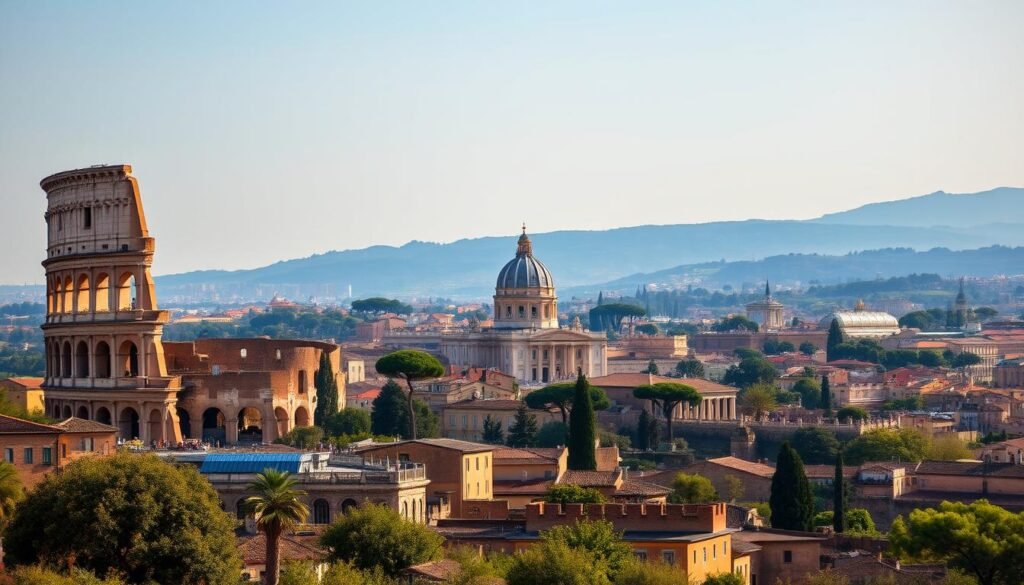
Rome unwraps slowly. I spent long mornings among ruins and warm evenings in tiny trattorias, and that mixture is what made the trip stick.
Must-sees range from the Colosseum and Roman Forum to Trevi Fountain and the Spanish Steps. I always add the Pantheon for its astonishing dome and sense of time layered through stone.
Vatican City in one day
I set aside a full day for Vatican City. Early entry into the Vatican Museums lets me linger under the Sistine Chapel ceiling, then I climb St. Peter’s dome for the skyline.You can learn more about best-time-to-visit-new-york
How long to stay
I block three to five days in the capital because the density of history, neighborhoods, and architecture rewards slow exploration. Add an extra day if ancient history and archaeological sites are your focus.
“Rome turned famous landmarks into backdrops for everyday moments.”
Quick planner
- Day 1–2: Colosseum, Roman Forum, Pantheon, and a gelato crawl.
- Day 3: Trastevere wandering and museum time.
- Day 4 (optional): Extra ruins or a deeper museum afternoon.
| Place | Suggested days | Why |
|---|---|---|
| Rome (city) | 3–5 | High density of monuments and lively neighborhoods |
| Vatican City | 1 | Vatican Museums, Sistine Chapel, St. Peter’s Basilica |
| Extras | +1 | Deeper museum time or archaeological focus |
Florence & Tuscany: Renaissance art, museums, and postcard countryside
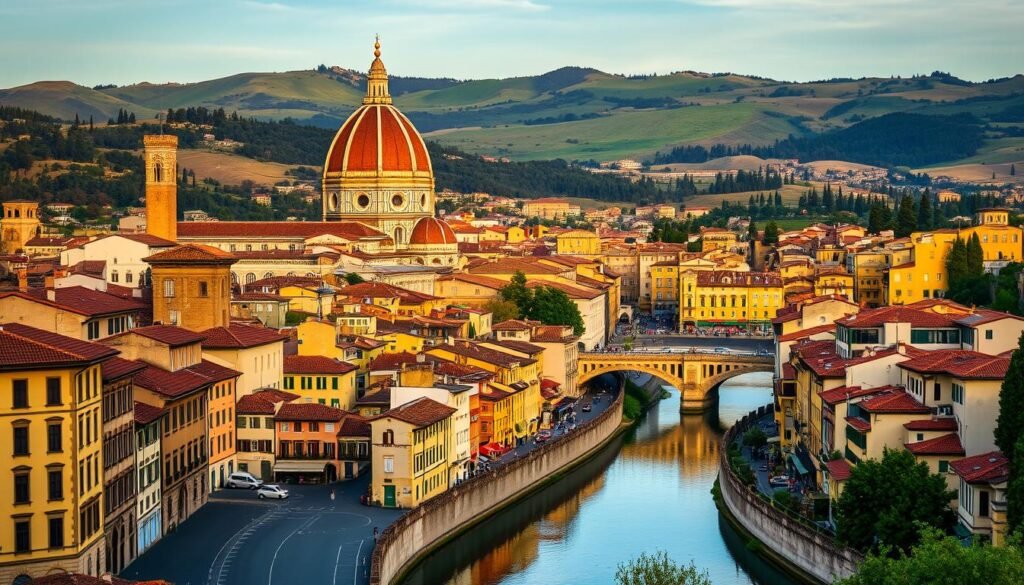
Florence is where the Renaissance feels immediate, a compact city of domes and narrow streets. I give the Duomo and Michelangelo’s David priority so I can savor each moment without rushing.
I plan a long afternoon for the Duomo complex and a separate block for the Accademia or Uffizi. That pace lets the art sink in and keeps the museum visits enjoyable rather than hurried.
Florence highlights: the Duomo and Michelangelo’s David
The city core is walkable, so I move fast between façades and squares. Architecture lovers will want rooftop pauses for rooftop views that frame the skyline.c best-places-to-visit-in-the-world
Tuscany road-trip vibes: cypress-lined hills, vineyards, castles
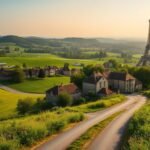
For the region I rent a car or join a slow drive. Vineyards, cypress ridges, and hilltop castles glow at sunset and reward unplanned stops.
Where to wander: San Gimignano for views and gelato
San Gimignano is a town I always add for its towers and the gelato in the main piazza. It’s a perfect short detour for scenery and simple pleasures.
How long to stay: one to two days in Florence, three days for Tuscany
My rule: one to two days in Florence and about three for the surrounding region. I usually base in the city first, then spend relaxed days wandering vineyards and stopping at small towns.
If you want a short list of suggestions for timing and sights, see my notes on things to do in Florence.
“A few slow evenings in Florence, then three loose days on the road, give you the full mix of art and landscape.”
Venice and nearby islands: Canals, cicchetti, and colorful lagoon life
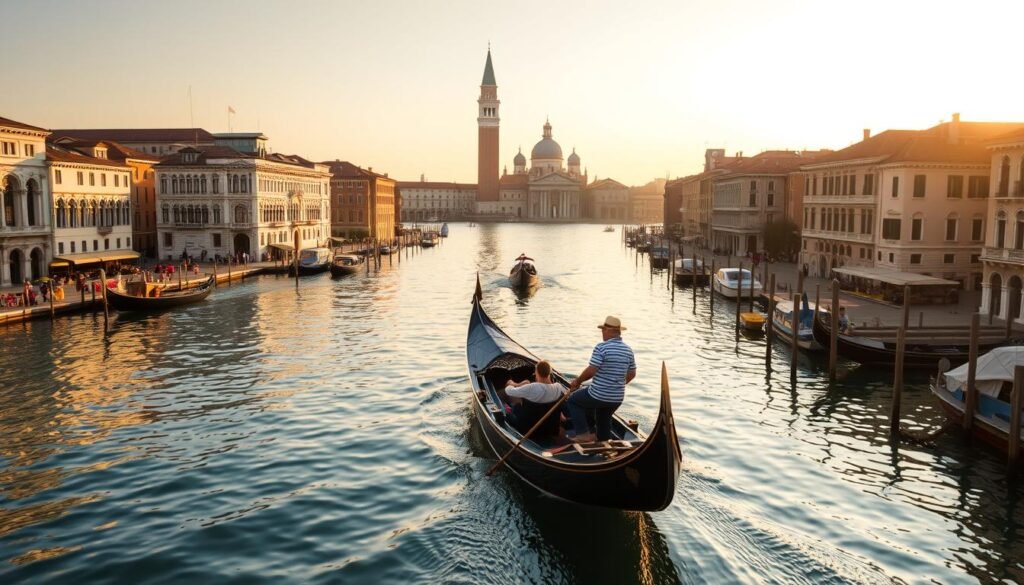
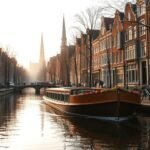
A dawn paddle along the Grand Canal taught me how Venice reveals itself when most tourists sleep. The city spreads across 118 islands with no roads, and the main waterway runs for over two miles.
I favor early mornings around St. Mark’s Square and late evenings on quieter bridges. Stepping inside St. Mark’s Basilica and along the Doge’s Palace corridors gives context to the ornate façades and historic buildings.
Island hops and must-see stops
- Murano for glass workshops and Burano for bright houses and lace; boats often run every 30 minutes.
- Gondola rides are a signature experience; try one at quiet hours for a softer view of the waterways.
- I graze on cicchetti and a spritz while wandering backstreets that hide local bars and small shops linked to Venetian fashion and craft.
Practical notes
Plan for costs: Venice can be pricey and now has a tourist tax. Narrow streets concentrate crowds, so I schedule midday breaks and choose lodging in a calm area that lets me walk most places.You can see about best-time-to-visit-switzerland
“Two days cover highlights if you move with purpose; up to five days lets you island-hop and slow down.”
Cinque Terre: Five villages, coastal trails, and unforgettable views
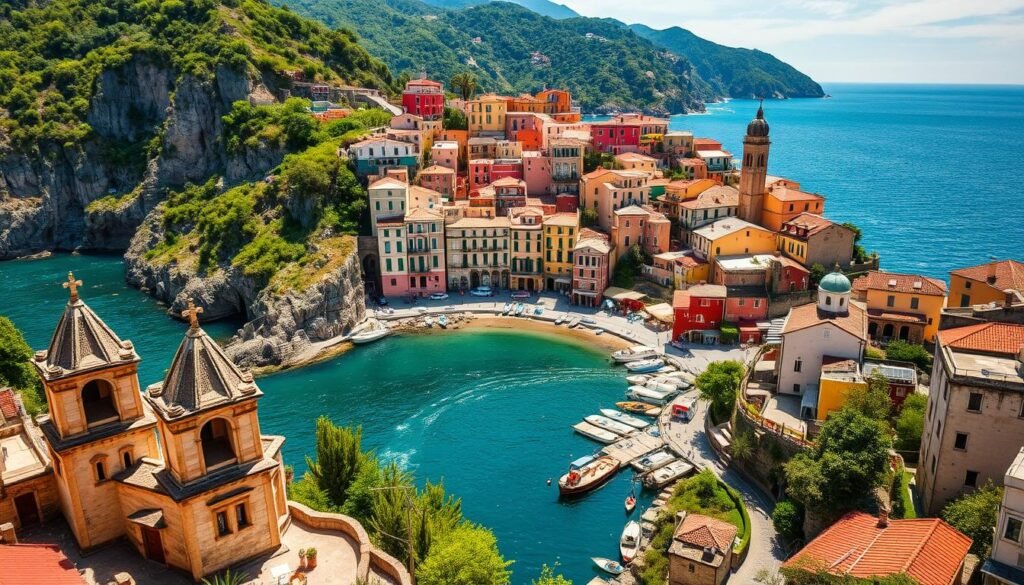
A single rail ride through Liguria can change how you picture seaside towns. I planned a short stop here for hiking, swimming, and slow dinners along the cliffs.
UNESCO national park: trains, hikes, and seaside sunsets
Cinque Terre is a UNESCO world heritage site made of five cliffside villages linked by coastal trails and frequent trains. I give it one to two days so I can hop the rail, hike a segment, and linger for sunset.
I keep my bag light for trail sections and carry a layer for cooler evenings above the sea. I also check trail status and timetables before I leave; crowds and occasional closures change plans fast.
Food to try: basil pesto and fresh seafood on the Ligurian Sea
Pesto here tastes distinct—local basil brightens simple pasta dishes. I pair it with fresh seafood while watching boats bob in the harbor.
- I pick two or three villages if I’m short on time and save one trail for a memorable viewpoint.
- I time hikes for golden hour so the views last past the walk and into dinner.
- I keep water shoes for rocky swims and use the rail when a place gets too crowded.
“The five villages each have their own rhythm; ride between them and you find different harbor fronts, swims, and sunset spots.”
Amalfi Coast & Capri: Clifftop towns, lemons, and dazzling sea days
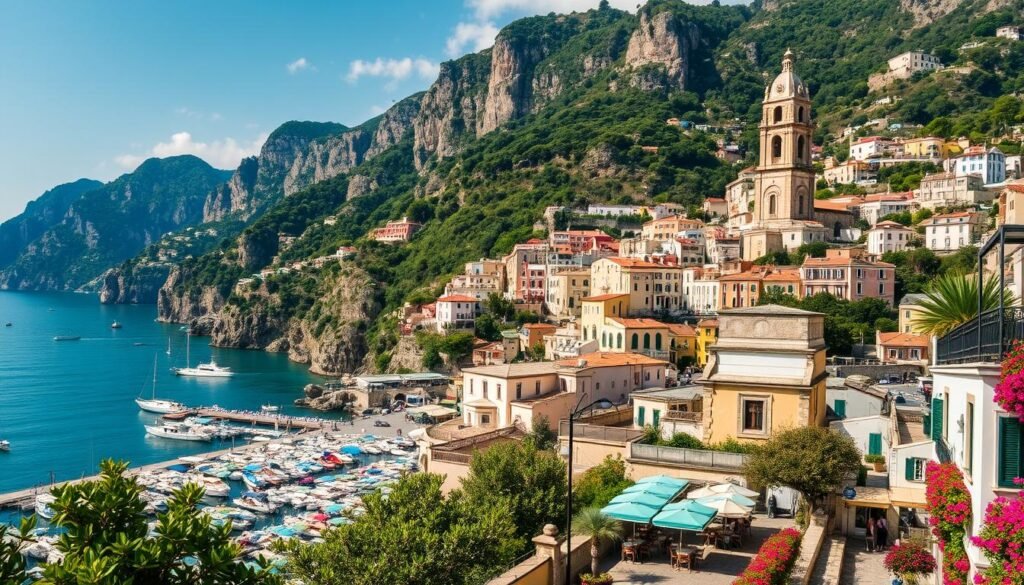
I learned quickly that the coast here rewards slow mornings and unplanned detours down steep lanes.
Where I base myself: I usually pick a clifftop town like Positano or Amalfi. Both give easy access for half-day runs to Ravello and Sorrento, and they set a scenic pace for the whole stay.
Base ideas
Positano feels postcard-perfect and Amalfi is practical for buses. Ravello is quieter; Sorrento links well with trains and ferries. Each town has different energy, so I choose based on whether I want calm terraces or lively piazzas.
Day trips and highlights
A boat day to Capri is non-negotiable for me: sea caves, marina walks, and a late limoncello stop as crowds drop. I plan one full day for that trip and leave evenings free for seafood and sunsets.You can see about best-time-to-visit-thailand
What to know
Bus travel runs the coast but tickets are sold at specific shops, like tobacco stores. Schedules slip during peak months, so I pad time and buy tickets early.
- I plan three days here for the main spots and a relaxed pace.
- Expect more tourists in summer; shoulder season gives cooler temps and calmer lanes.
- Pack footwear for stairs—short distances on a map can be steep on foot.
“I end my stay with coffee over the sea, letting the slower rhythm sink in before I move on.”
Modena: Slow food, fast cars, and a taste of Emilia-Romagna
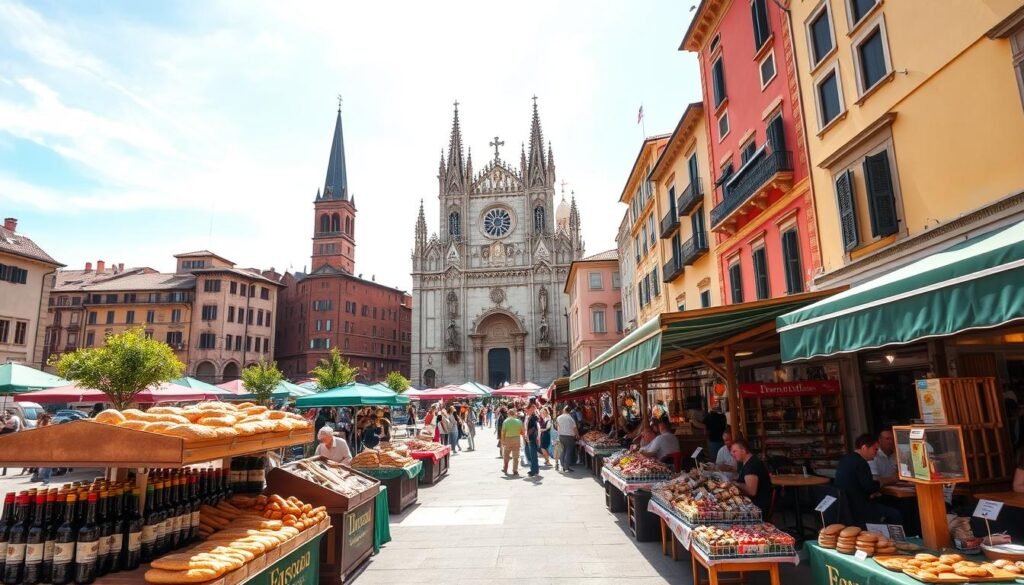
I found Modena where artisan vinegar meets roaring engines, and both felt like local religion.
My visit focused on tasting traditional balsamic vinegar and chasing engines through museums. I gave the town one to two days. That was enough for a morning acetaia tour and an afternoon among Ferrari displays.
Culinary icons and dining
The city wears its food culture with pride. Markets, small trattorie, and the chance—if lucky with reservations—of dining at Osteria Francescana made meals feel like a study in craft.
Motors Valley and museums
I paired a factory or acetaia tour with a stop at a Ferrari museum. The exhibits are curated so even people who are not car fans enjoy the story and design heritage.
- I kept a simple guide: one key food stop, museum hours, and a fallback osteria.
- If I had more time, I looped into the wider Motor Valley for Lamborghini and Maserati sites.
“Modena gave me slow tastings and fast thrills—both felt rooted, human, and proudly local.”
| Highlight | Typical time | Why go |
|---|---|---|
| Acetaia tour | 2–3 hours | Learn traditional balsamic vinegar production |
| Ferrari museum | 2–4 hours | Design, history, and interactive exhibits |
| Special dinner reservation | 2–3 hours | Experience world-class dining and local food culture |
For planning tips and a neat overview of Modena’s dual identity, see the Slow Food, Fast Cars piece. I ended each visit with an espresso in a sunny square—simple, and perfectly Modena.
Pisa and beyond: Tower climbs, cathedral art, and classic views
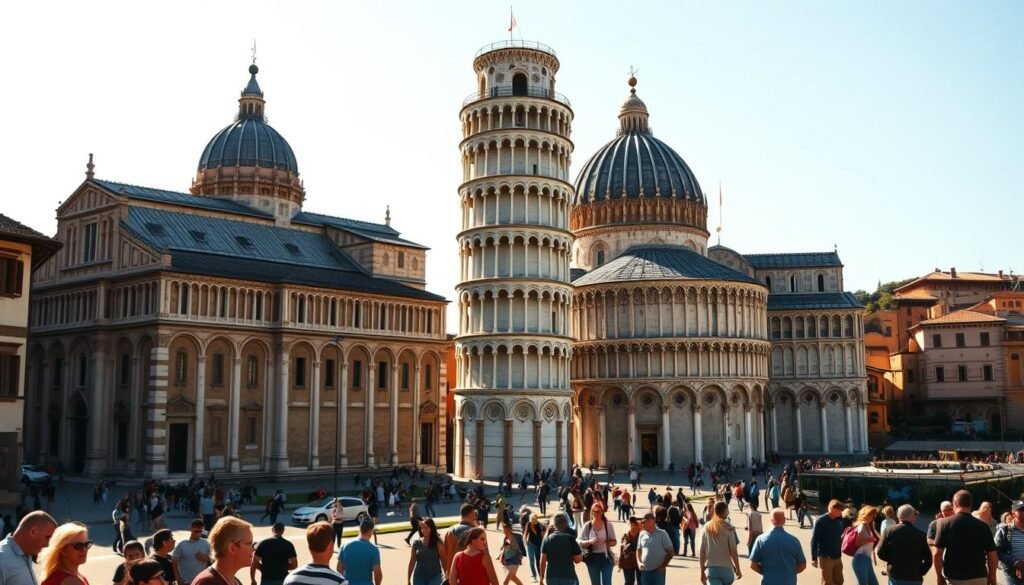
The Piazza dei Miracoli makes Pisa an efficient one-day stop. I squeeze the Leaning Tower, Duomo, Baptistery, and a pair of museums into a relaxed schedule.
I climbed the tower and found the stairs tight and tilted. The spiral sits inside a slanted cylinder, and the lean is obvious as you go up. If small spaces make you uneasy, brace for a short, mildly claustrophobic stretch.
Climbing the Leaning Tower: what the stairs feel like
The effort pays off. From the top the city spreads and the view is striking. I sometimes buy individual tickets, but a combined pass saves time when I want access to several buildings.
Piazza dei Miracoli: the Duomo, museums, and best photo spots
I spend a calm hour inside the Duomo to study the architecture and the way light falls on marble. Then I walk the nearby streets for a quick bite and return at sunset for softer portraits of the square.You can see about best-caribbean-islands-to-visit
- I plan Pisa as a one-day city stop anchored in the square.
- Focus on the tower climb plus the Duomo if you have limited time.
| Stop | Typical time | Why |
|---|---|---|
| Leaning Tower | 1 hour | Climb for the view and the unique stair experience |
| Duomo | 45–60 minutes | Architecture and interior light |
| Museums / Baptistery | 30–90 minutes | Choose based on interest or use a combined pass |
“I end with one last walk through the square to take in the scale of the buildings before my train.”
Milan and Naples: When to go and when to keep moving
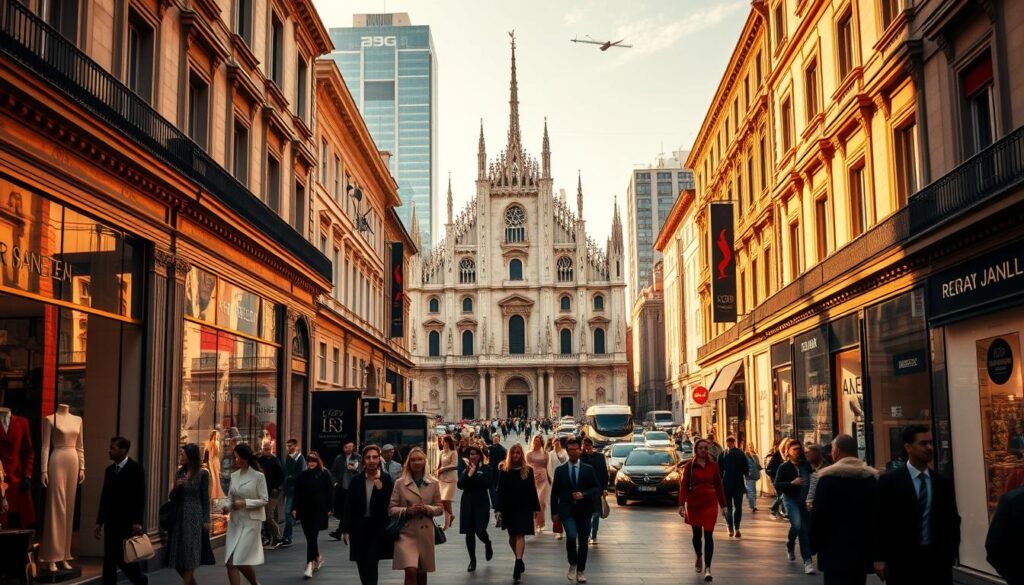
Some stops act as hubs, others as flavor punches—Milan and Naples do both in their own ways. I use simple rules: pick one defining moment, then decide if I’ll linger or move on.
Milan: fashion energy, the Duomo, and lake gateways
I treat Milan as a practical city for arrivals, the Duomo, and a quick dose of fashion culture. As a global fashion capital, it’s great for window-shopping and people-watching, but I keep expectations modest on a tight schedule.
If I’m chasing scenery, I use Milan as a hub and then head for Lake Como or Garda. That way the city serves as a gateway rather than the whole trip.
Naples: pizza, raw streets, and fast decisions
Naples hits with an immediate street life and legendary pizza at places like L’antica Pizzeria Da Michele. If grit isn’t my scene, I time a single meal and move on the same day.
When I linger, I stay in calmer neighborhoods to avoid the busiest station areas and squeeze in Pompeii or the Amalfi coast.
“Both cities have strong identities—Milan polished, Naples visceral—and knowing which flavor fits me helps me allocate hours wisely.”
| City | Quick plan | When to stay |
|---|---|---|
| Milan | See Duomo, stroll Galleria, pivot to lakes | 1–2 days if also exploring Lake Como or design districts |
| Naples | Eat at a classic pizzeria, brief walk through historic center | Half-day to 1 day for food and gateway access to Pompeii/Amalfi |
| Use | Transport hub & culinary stop | Choose based on interest: fashion and lakes or food and street life |
Conclusion
After many trips, I believe depth beats distance. Pick a short list and give each city enough days so museums, streets, and meals can breathe.
My typical loop keeps Rome and Vatican City, adds Florence with a Tuscany day, then Venice and Cinque Terre. Layer the Amalfi Coast if you want dramatic sea views and relaxed days.
Use Milan or Naples as practical gateways rather than anchors when time is tight. Watch for Venice’s tourist tax, Amalfi bus quirks, and ferry timetables for Murano and Burano.
Travel lightly on choices: you could probably spend months here, so let some places wait for next time. Pick the few that match your interests and the trip will feel generous, not rushed.