
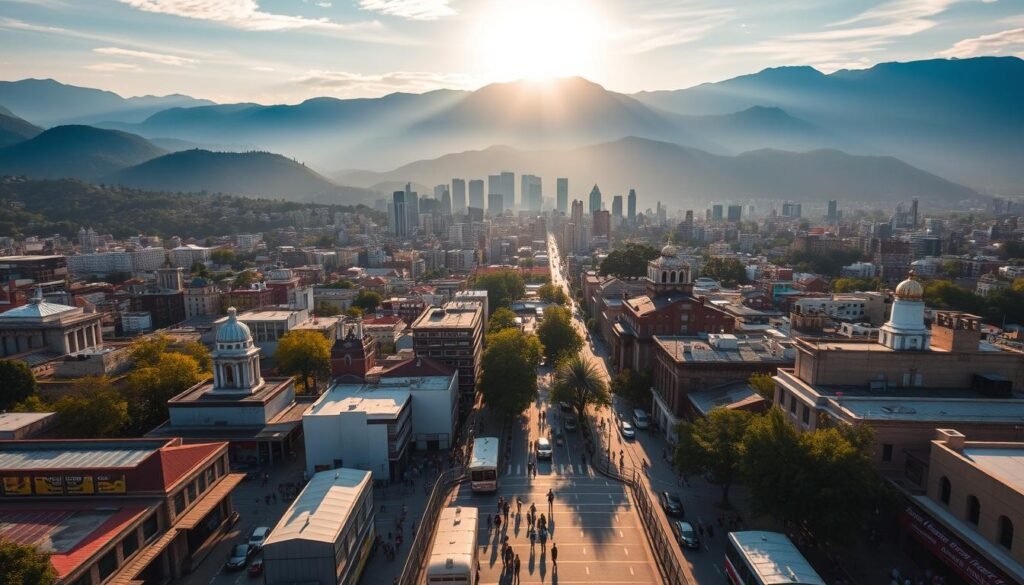
Surprising fact: at 7,350 feet above sea level, this capital keeps temperatures mild year-round and makes the sun feel much stronger than at sea level.
I write this guide so you can plan an escape with clearer expectations. I explain how dry and rainy seasons shape daily plans, from morning walks to museum afternoons.
The dry season runs roughly November through May. Rain falls most often in afternoons from June to August and eases by September.
Thanks to altitude, days are often warm and nights cool. Pack layers and sunscreen, and you’ll enjoy patios, parks, and vibrant food scenes without weather surprises.
I’ll compare this capital’s rhythm with beach destinations across the country so you don’t follow beach-first advice that misses inland realities.
Key Takeaways
- I outline season patterns so you can match weather with your priorities.
- March–May and September–November often balance comfort and culture.
- Expect afternoon storms in summer; mornings tend to stay clear.
- High altitude means stronger sun and cooler nights — dress in layers.
- I give a simple framework to pick a visit based on budget and photo goals.
My quick take: when I visit, who it suits, and how I plan
When I plan a trip, I aim for months that bring color, clear mornings, and easy patio dinners. I target March–May for purple jacarandas and long sunny mornings. I also favor October–November for crisp air, cultural buzz, and fewer crowds.You can learn more about best-places-to-visit-in-costa-rica
If you want minimal rain and lively alfresco energy, spring works best. For culture-forward stays with lighter crowds, fall is a close second. I schedule outdoor-heavy mornings and reserve afternoons for museums or relaxed meals.
How I structure a day
- Morning: parks, rooftops, and coffee while skies stay clear.
- Afternoon: flexible plans—restaurants or indoor museums if storms roll in.
- Evening: golden-hour walks, then reservations for dinner during peak spring demand.
I always factor altitude into packing—sunscreen and layers are non-negotiable. If your trip lands in a specific month like May or September, I shift the schedule a bit and keep afternoons open for a pop-up shower.
| Period | Why I pick it | Booking advice |
|---|---|---|
| March–May | Jacarandas, dry mornings, lively patios | Reserve restaurants and top museums early |
| June–August | Afternoon storms; clear mornings | Plan outdoor mornings, museum afternoons |
| September–November | Crisp air, Día de los Muertos energy, fewer crowds | Book for major events; otherwise more flexible |
When weighing the wider country and its beach calendars, prioritize what you’ll actually do in the city. For more planning tips and local picks, see my recommended guide at Mexico City travel guide.
Weather and seasonality in Mexico City: what the altitude really means
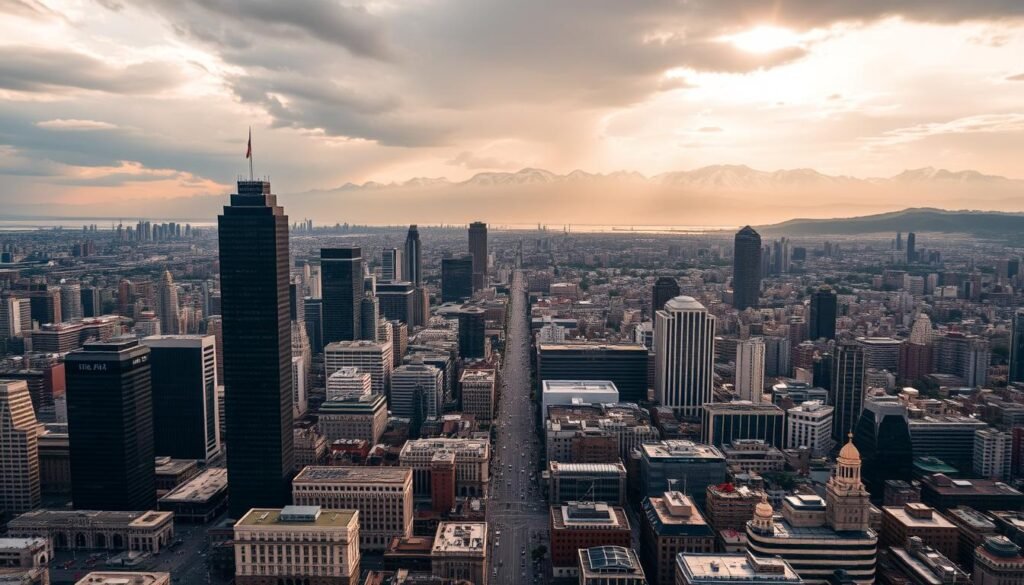
Altitude is the quiet rule here — it sets daytime warmth, cool nights, and a stronger sun. At roughly 7,350 ft, daytime temps usually sit in the mid-60s to mid-70s°F. Nights can drop into the 40s–50s°F in winter, so layers matter.things-to-do-in-berlin/
Dry vs. rainy season
The dry season runs November through May with reliable blue-sky mornings. The rainy season arrives June through October and brings the heaviest storms in June–August, easing by September.
Typical temps by time of year
I count on mild days and cool nights year-round. The sun feels stronger here than at sea level, so I always carry SPF even when it’s breezy.You can learn more about best-places-to-visit-in-march
What rainy season looks like on the ground
Rain mostly falls in afternoon or evening thunderstorms. Mornings are often clear, perfect for parks or markets, while afternoons suit museums and long lunches.
- Plan outdoor priorities early and have flexible indoor options later in the day.
- Air quality often improves during rain months and many winter days, making vistas pop.
- I pack a warm layer for night plans and sunscreen for high-altitude sun.
Best time to visit Mexico City
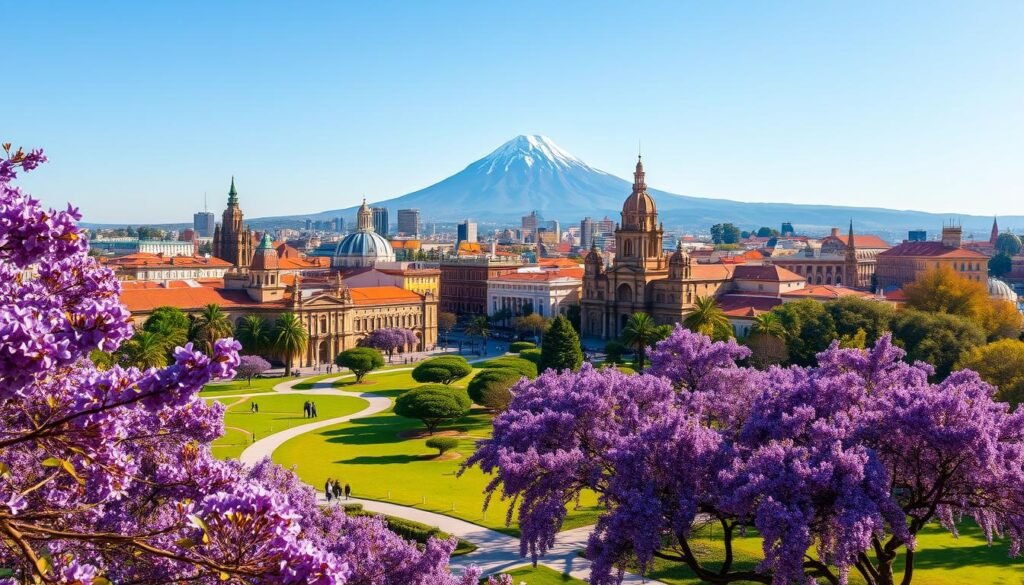
I recommend two standout seasons for planning a trip here: spring for jacaranda blooms and patios, or fall for crisp days and cultural energy.things-to-do-in-santa-fe-new-mexico/
Spring (March–May)
Spring brings warm days in the 70s°F and cool nights in the 50s°F. Late March and April light up with jacarandas, making Roma and Condesa perfect for long street strolls.
The dry season reduces rain interruptions, so outdoor activities—like Teotihuacan balloon rides and Chapultepec boating—run smoothly. Expect peak demand; I reserve Frida Kahlo Museum tickets and hot restaurants early.
Fall (September–November)
Fall offers crisp, photogenic days and fewer crowds than spring. Rains taper by late September, and October–November bring clear air and Día de los Muertos events.You can learn more about best-places-to-visit-in-switzerland
If I’m here around Nov 1–2, I plan time for ofrendas and pan de muerto. September can still see rain, so I front-load outdoor plans and keep afternoons flexible for museums or cafes.
- Spring pick: jacarandas, patios, and peak social energy—book ahead.
- Fall pick: cultural pulse and easier logistics—better for last-minute diners.
- How I choose: pick spring for iconic blooms and outdoor activities, pick fall for festivals and smoother crowds.
Month-by-month guide: the city, the weather, and how I’d time activities
I walk through the calendar month by month, marking when streets glow and when storms roll in.
January–February
Dry, crisp air makes mornings great for park views. Nights dip into the 40s°F, so I pack a real jacket.
February often brings art week energy and lower hotel rates—perfect for quieter trips focused on galleries and dinner spots.things-to-do-in-singapore/
March–April
Jacaranda blooms peak. Days run in the mid-50s to low-70s°F and crowds swell.
I book museums and popular restaurants early and plan long neighborhood walks for mornings.
May
Warmer days (near the 80s°F) and shoulder savings make this month appealing.
I watch for the first late-day storms and schedule siesta-like afternoons when rain can appear.
June–July
This is the core rainy season: afternoon and evening storms are common.
I front-load outdoor activities into mornings and leave afternoons for museums, markets, and food halls.
August–September
Storms taper late in September and post-rain light is beautiful for photos.
I carry a compact umbrella and aim for later September if I want clearer weather and fewer crowds.
October–December
October and November offer crisp days and Día de los Muertos events on Nov 1–2.
December brings cool, dry daytime weather, cold nights, and some holiday crowds—plan ahead for popular areas and restaurants.
- Year-round rhythm: I mix streets-and-parks mornings with flexible, food-focused afternoons.
- If you build wider country trips: factor in coastal calendars, but keep CDMX days arranged around morning outdoor blocks.
Festivals and events to plan around (and how they shape your trip)
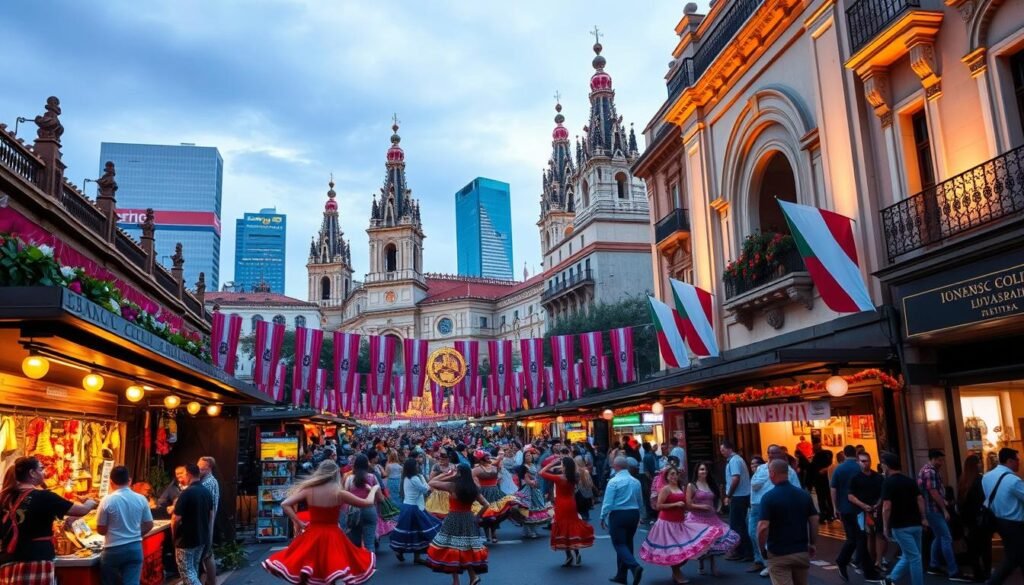
Cultural celebrations reshape schedules and neighborhoods, and I plan so I can enjoy the energy without the hassle.things-to-do-in-waco-tx/
Día de los Muertos (Nov 1–2): altars, parades, and pan de muerto
Day of the Dead brings public ofrendas, parades, and stalls selling pan de muerto across central and southern areas.
I build in quiet moments to move respectfully through crowded streets. I also reserve early-morning visits to major altars and book any ticketed events well ahead.
Spring culture calendar: Carnaval, Semana Santa, art shows
Spring fills the calendar with Carnaval, Semana Santa processions, and art week in February.
When my dates overlap these events, I lock hotels sooner and expect higher foot traffic. I favor morning walks and indoor galleries if afternoon rain arrives.
Fall standouts: Cervantino, film festivals, citywide celebrations
Fall has strong draws in other cities—Guanajuato’s Cervantino and film festivals in Michoacán and Guadalajara.
I sometimes pair a short hop with Mexico City for a richer festival circuit. These events change transit and dining hours, so I pad travel times and keep plans flexible.
- Practical tip: watch venue hours around holidays and plan meals near event hubs.
- Lock hotels early, pad your schedule, and aim for morning outdoor windows before crowds or rain arrive.
- If you’re up for short hops, pair big fall festivals with nearby destinations for a fuller cultural run.
Practical planning best practices: packing, crowds, and budget timing
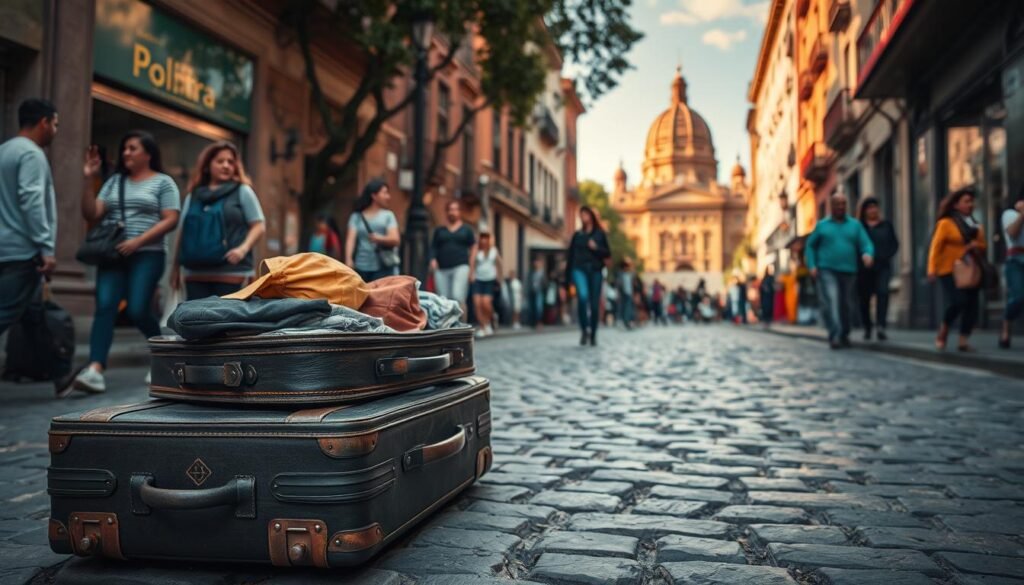
I always pack with altitude and daily swings in mind so a single bag handles chilly nights and sunny afternoons.things-to-do-in-venice-italy/
What I pack by season
Layers, sunscreen, and easy shoes are non-negotiable. I carry light layers year-round and a real jacket for winter months.
For summer, I add a compact rain jacket or umbrella and quick-dry shoes so afternoon showers don’t ruin plans.
Don’t forget sunscreen—UV feels stronger at altitude even on cool days.
Peak vs shoulder vs low: bookings and crowd moves
Spring and October–November bring high demand; I reserve top restaurants and museums early. Rainy months often mean lower prices and fewer crowds, but plan mornings outside and keep afternoons flexible.
- I visit major sites at opening and slide big dinners to early or late seatings to beat crowds.
- For better hotel rates, I aim for shoulder windows like May or late September.
- I map routes to cut backtracking and keep indoor options nearby in case weather shifts.
“If plans change, I pivot to a nearby taquería—food keeps the day moving.”
Conclusion
Use these notes as a quick playbook for shaping a trip that fits your rhythm.
My bottom line: March–May and October–November are prime windows for comfortable days, minimal rain, and big cultural moments like Day of the Dead.
I arrange days by season—mornings outside, afternoons open for museums or markets—so a set month still feels flexible.
Rainy months bring clear mornings and dramatic light after storms; they are not dealbreakers if you plan smart.
Book anchors early in busy months and keep your itinerary elastic. Wherever you land in the year, thoughtful planning unlocks great food, art, and neighborhoods ready for wandering.