
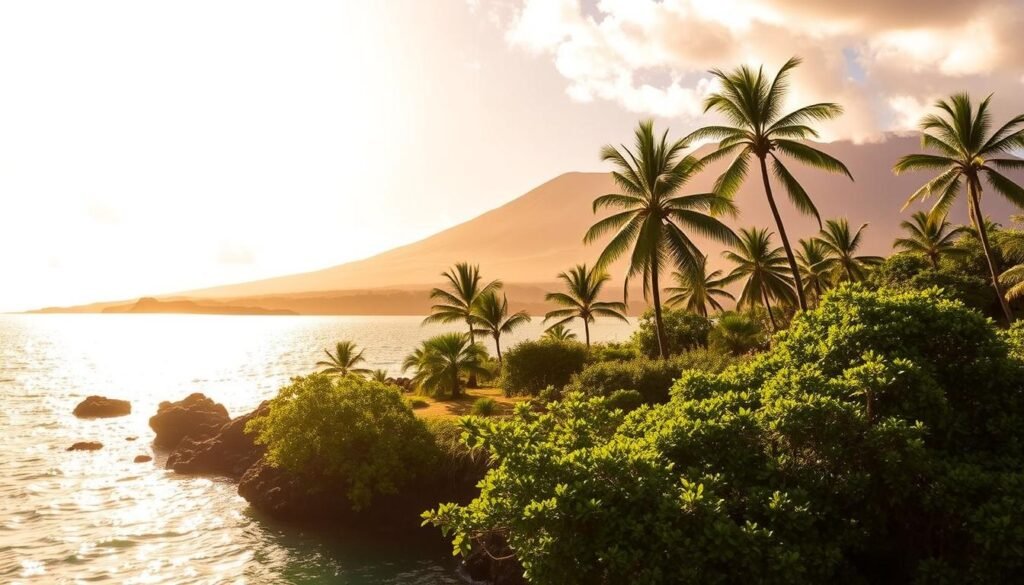
Surprising fact: nearly 25% of visitors plan sunrise at Haleakalā, making it one of the island’s most booked experiences and a central reason I split my trip across regions.
I write from hard-earned field notes, balancing West Maui, South Maui, and Hāna so I avoid long night drives and catch sunset without rushing. I keep each day simple: a beach or hike in the morning, a scenic drive mid-day, and a sunset moment by evening.
This practical list highlights when reservations matter—Haleakalā sunrise and Molokini raids—what seasons bring whale watching, and safe habits around turtles and streams. I point out family-friendly stops like the Maui Ocean Center and Fairmont day passes, plus favorites for food and coffee.
Key Takeaways
- I split my itinerary across island sides to cut drive time and see more without rushing.
- Book Haleakalā sunrise reservations early; sunset usually needs no pass.
- Go early for Molokini and follow the buddy rule for ocean trips.
- Respect wildlife rules: keep at least 10 ft (3 m) from turtles and heed stream warnings.
- Mix top hikes and beaches with local meals for an authentic, safe trip.
How I Plan a Smart Maui Itinerary: Distances, Deer, and Daylight
I stop trying to see the whole island in one base and instead treat each side as its own mini-trip. That shift changed my pace and made each day more relaxed.
Why split stays? I book nights in West Maui, south maui, and a night in Hāna so I cut car hours and avoid long returns after a full day. This way I spend more time outside and less time driving.
I respect daylight. I schedule hikes and beaches by side so I arrive early at busy spots. I also build buffer time for winding roads; people often underestimate how slow those stretches can be.
Driving at night: deer hazards and winding roads
I avoid night drives when I can. Tens of thousands of deer cross rural roads after dark, and the curves make hazards worse. If I want a Haleakalā sunrise, I set a reservation well ahead. If that fails, I pivot to sunset, which needs no pass and is just as memorable.
- I keep optional tours handy for bad weather or lost time.
- On Road to Hāna days, I book Hāna lodging so the day feels slow and safe.
Things to Do in Maui: My Can’t-Miss Highlights This Trip
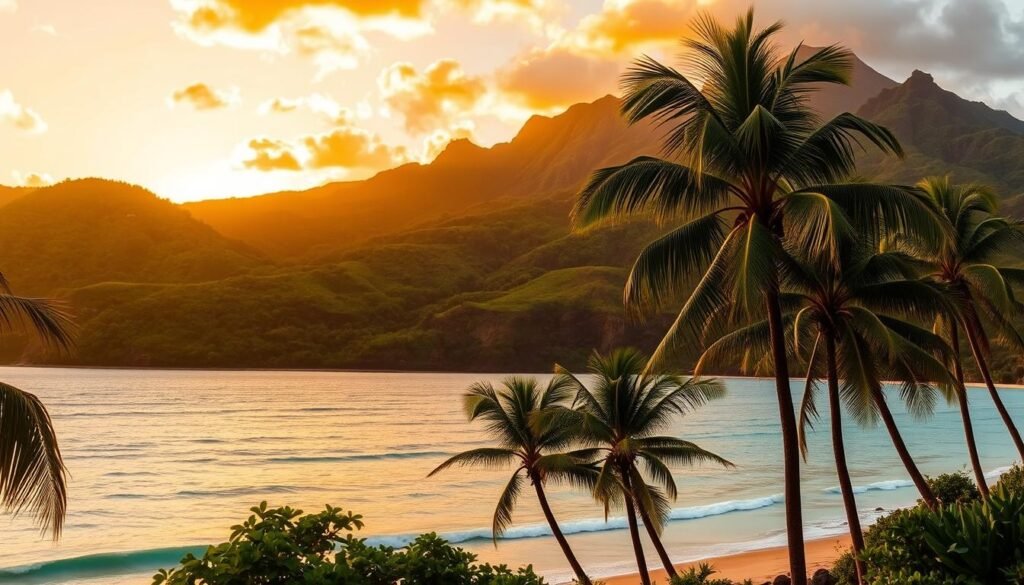
I build my days around a few can’t-miss moments that always make the trip feel complete. These hit the balance between high-country light, calm ocean mornings, and manageable hikes.
One best high-country memory for me is Haleakalā — sunrise if I snag a reservation, or sunset when I want warmer layers and fewer crowds.best-time-to-visit-italy
I start ocean time early: a Molokini sunrise power raft or a calm outrigger paddle offers two very different experiences. Turtle Town and the Maui Ocean Center behind-the-scenes add marine context in a single afternoon.
For west maui I keep a day for Naikalele Point, the ʻŌhai Loop, and the West Lāhainā Pali Trail, finishing with a coastal sunset.best-time-to-visit-australia
I lock in Road to Hāna with Waiʻānapanapa reservations and sleep in Hāna when I want a slow day of waterfalls and black sand beaches.
- Beaches and paths: Wailea, Ulua/Mokapu, Maluaka joined by the Wailea Beach Path for sunrise and evening strolls.
- Hikes and safety: Waiheʻe Ridge and Makamakaʻole (13 Crossings) are stunning — only go with the right weather and stream caution.
- Food loop: Akamai Coffee, Monkeypod for happy hour, and Gather for dinner with a view.
- Tours as options: Haleakalā bike rides, guided Road to Hāna trips, and naturalist whale tours simplify logistics when I want fewer plans.
Upcountry Magic: Haleakalā National Park at Sunrise or Sunset
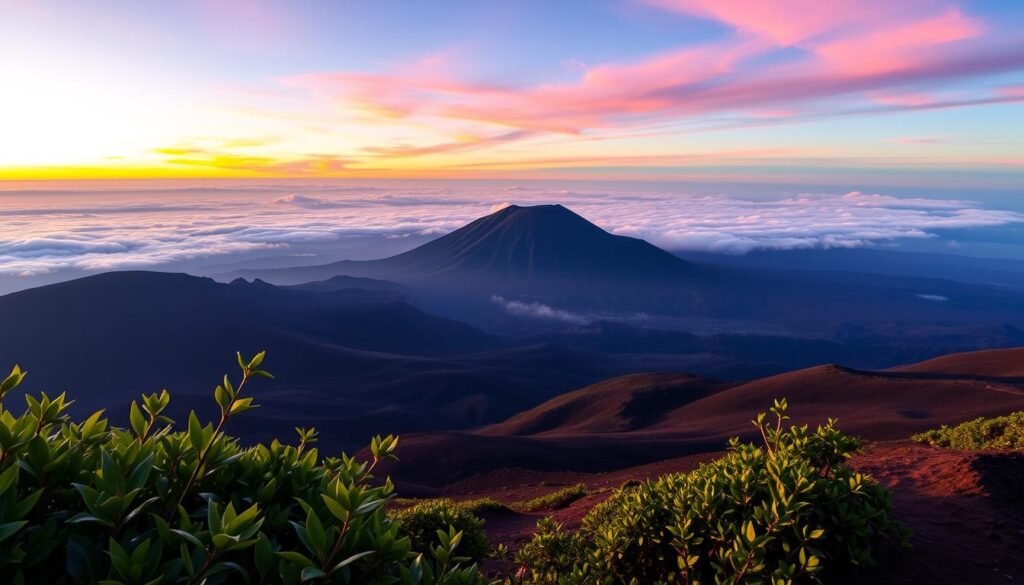
At summit height, Haleakalā feels like another planet when light first hits the crater. I plan carefully because this national park sits high and the weather flips fast.
Sunrise reservations and my weather-and-layers checklist
Sunrise requires a reservation, so I only attempt dawn with a locked pass and a clear plan. The summit is 10,023 feet and can be frigid, windy, even snowy.
My layers checklist: base layer, insulated mid-layer, windproof shell, hat, and gloves. I check the summit forecast and wind speeds before I leave. I give myself time at overlooks to acclimate and enjoy the Mars-like views.
Why sunset and stargazing can be even better (and warmer)
Sunset often has fewer people and easier parking near the observatories. That option can be one best call if sunrise is booked or if I want a warmer drive up in daylight.best-places-to-visit-in-november
- I arrive early either way for short rim walks and clear crater views.
- Options if sunrise is full: go at sunset, join a bike tour that bypasses the reservation, or watch the glow from a lower overlook.
- I pack hot drinks, headlamps, and a blanket, and I avoid tight dinner plans since summit time expands with clouds and stars.
- I drive down cautiously after dark and keep an eye out for deer on lower roads.
Final note: whether you rise before dawn or linger after sunset, the mountain offers a rare experience worth the planning and layers.
Coast-to-Crater Thrill: Haleakalā Bike Tours and the Scenic Drive
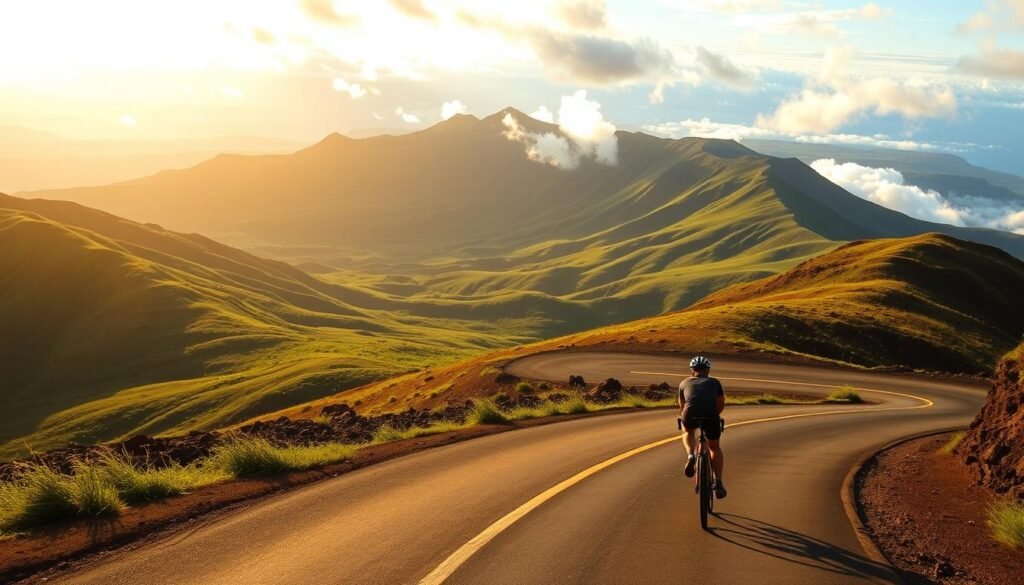
One neat shortcut for busy visitors is joining a guided bike descent that handles summit logistics for you. I’ve taken operators that drive guests into Haleakalā national park before dawn so the group sees sunrise without the reservation scramble.
The payoff is simple: summit light, then a long downhill through alpine switchbacks into warmer upcountry air. It turns a slow drive into an efficient, memorable experience that saves time and stress.
How bike tours bypass sunrise reservations and keep it hassle-free
What I like: guides handle permits, safety briefings, and van support so riders focus on the ride. I still dress in full layers for a cold morning and peel as the temperature rises.best-countries-to-visit
- Some tour operators include sunrise entry and equipment, which removes booking headaches.
- The downhill is paced with stops for photos; I stash my phone in an easy pocket and wait for safe pullouts.
- If I skip the bike, the scenic drive up Haleakalā Highway is a top alternative for sunrise or sunset.
- I keep breakfast plans loose because group pace and weather can change the schedule.
| Option | Logistics | Best for |
|---|---|---|
| Guided bike tour | Driver entry, gear, briefing | Visitors short on time |
| Self-drive sunrise | Reservation needed, parking effort | Flexible planners who like control |
| Scenic drive (sunset) | No pass required, easier parking | Those who prefer warmer light |
Road to Hāna, My Way: Slow Travel, Sleep in Hāna, See More
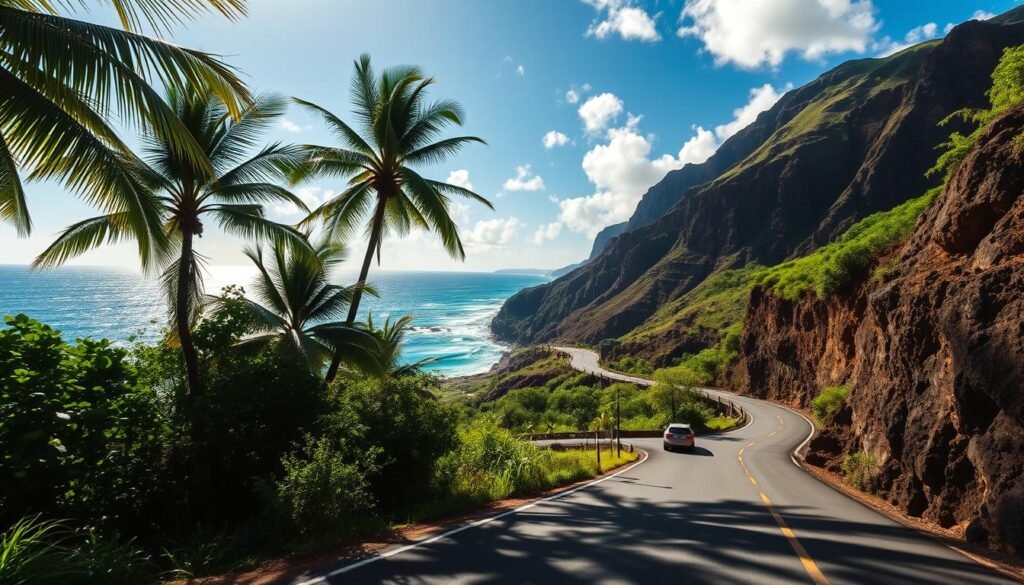
I treat the Road to Hāna as a slow-moving escape, where the drive itself is the reward. The route traces the north shore for about 51 miles of narrow, winding road, and that pace is exactly why I spend an extra night in Hāna.
Staying overnight lets me enjoy more stops, swim when conditions are safe, and watch day-trippers leave so the coast feels quieter. I pick three to five stops I truly care about and leave room for surprises.
Waiʻānapanapa State Park: advanced reservation essentials
Non-resident visitors need a reservation for Waiʻānapanapa; Hawaiʻi residents with state ID have different entry rules. I book well ahead and confirm parking plans, or I join a guided tour that handles the reservation and saves car stress.
Waterfall stops and flash-flood safety on a rainy coast
Big Bog can flood streams fast. I always check weather at each side of the island and treat streams with caution.
- I plan the coast day as two days with a night in Hāna so I have time and less pressure.
- I park legally at waterfall pullouts, avoid entering streams with high flow, and watch blind corners when I leave the car.
- If reservations or parking feel tight, a tour often includes park access and removes logistics from my car duties.
On the return I often visit Kīpahulu in the Haleakalā district, but only after checking trail and weather conditions. This route is one journey I refuse to rush; it’s about moving at a Hāna pace and savoring island time.best-places-to-visit-in-italy
Where I Stay and Eat in Hāna Without Breaking the Bank
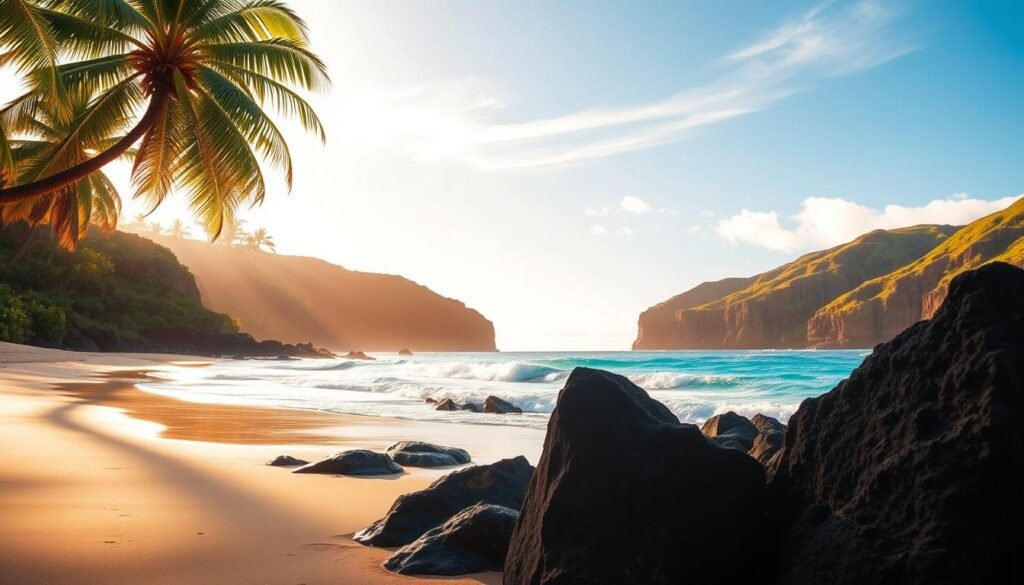
A single night in Hāna buys me sunrise swims and less-crowded beach walks.
Hāna Inn (formerly Joe’s Place) is my pick for a no-frills base. It keeps costs down so I can spend one night near Waiʻānapanapa and Kaihalulu without emptying my budget.
I like simple lodging that lets the day be about the coast, not the room.
Casual dinner under the stars
For an easy evening, I head to Hāna Ranch Restaurant. The outdoor restaurant setting is quiet and suits a relaxed dinner after a long day of hiking and shoreline time.
| best-time-to-visit-glacier-national-park |
“Staying overnight lets me catch the calm hours before day-trip visitors arrive.”
- I make a loose reservation when I can; hours and options are limited.
- I bring cash for local stands and keep expectations low—this is place over polish.
- With an overnight, I can visit Kīpahulu the next morning or save Kaihalulu for a quieter swim.
Final tip: leave no trace, keep noise down, and enjoy the slow coast—one night here changes the whole Road experience.
North Shore Vibes: Turtles, Town Browsing, and Breakfast Spots
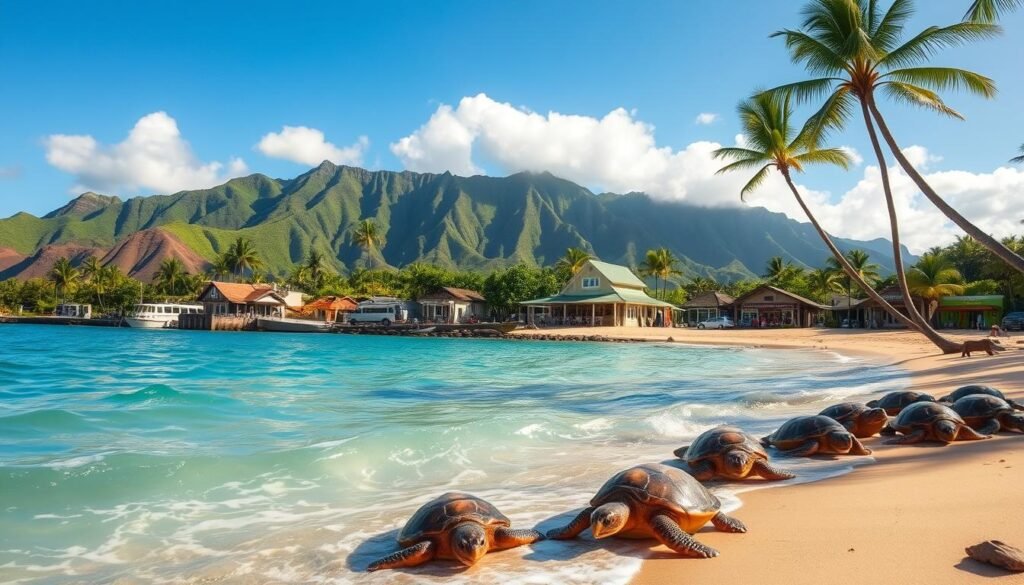
Morning light on the north shore brings a quiet rhythm: surfers ride, shops open, and the air smells like salt and coffee. I use that calm hour for a simple loop—eat, wander, and watch wildlife from a respectful distance.best-time-to-visit-new-orleans
Breakfast first. I start at Colleen’s at the Cannery in Haʻikū for a hearty meal that fuels a coastal morning.
Hōʻokipa Beach turtle viewing etiquette
Hoʻokipa is famous for Hawaiian green sea turtles. NOAA and DLNR advise staying at least 10 feet (3 meters) away. I never touch or chase animals and I keep my voice low.
Pāʻia Fish Market and Colleen’s — my go-tos
Pāʻia Fish Market has big portions of fresh fish and casual counter service. I pop in later for a late lunch or a quick snack between beaches.
- I avoid crowding; people and wildlife both do better with space.
- I add Hoʻokipa to my beaches list as a viewing beach, not a swim spot for turtles.
- If I plan tours that afternoon, I keep the morning unhurried so I don’t feel rushed.
| Stop | Why I go | Best time |
|---|---|---|
| Colleen’s at the Cannery | Hearty breakfast, local coffee | Early morning |
| Hōʻokipa Beach | Turtle viewing with safe distance | Morning low crowds |
| Pāʻia Fish Market | Fresh fish, big portions | Noon or late lunch |
South Maui and Wailea: Beaches, Paths, and Luxe Eats
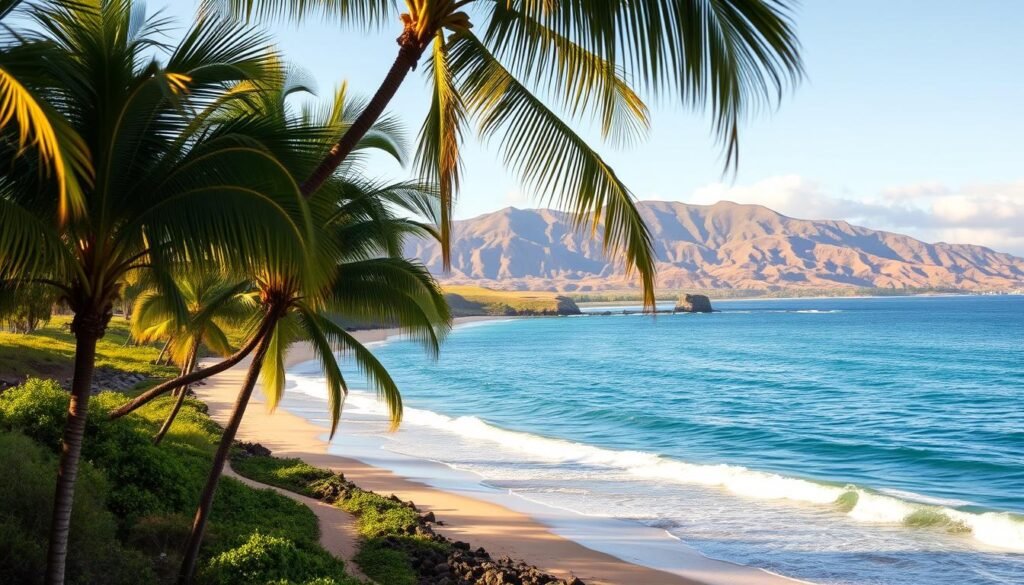
I favor starting the day on a seaside path that folds resort access and quiet beaches into one simple loop. The Wailea Beach Path runs about 1.5 miles and links resorts, restaurants, and small coves for an easy morning routine.best-time-to-visit-vietnam
Wailea Beach Path strolls and sunrise starts
My go-to move is a sunrise walk, then coffee at Akamai in Wailea Village. It keeps the start calm, gets me on sand early, and saves parking hassles so I spend more time by the water.
Favorite beaches: Wailea, Ulua/Mokapu, and Maluaka
I keep a short list of beaches that rotate through the day. Wailea has soft sand and gentle waves for easy swims. Ulua/Mokapu is my pick for snorkeling and scuba. Maluaka offers a quieter vibe and a chance to see turtles from shore; I call that the best small escape.
Where I eat and drink
For lunch or sunset, Monkeypod’s mai tais and live music lift the mood. Gather’s lanai and the Birdcage Bar at Hotel Wailea are my favorites for dinner or a nightcap. I grab Akamai Coffee in the morning and keep snacks on hand for beach breaks.
- I keep snorkel gear in the car and pop into calm coves when conditions are good.
- Visitors with families can stretch mornings on the path and save late afternoons for a scenic drive.
- If Ulua is crowded, I pivot to Maluaka without missing a beat and keep the day mellow.
| Spot | Why I go | Best time |
|---|---|---|
| Wailea Beach | Soft sand, calm swim | Early morning |
| Ulua / Mokapu | Top snorkeling and scuba access | Midday in calm seas |
| Maluaka | Secluded feel, turtle viewing | Late morning or low wind |
“South Maui makes it easy to stack a mellow day: path, beach, snack, repeat.”
Snorkeling Wins: Molokini Crater and Turtle Town
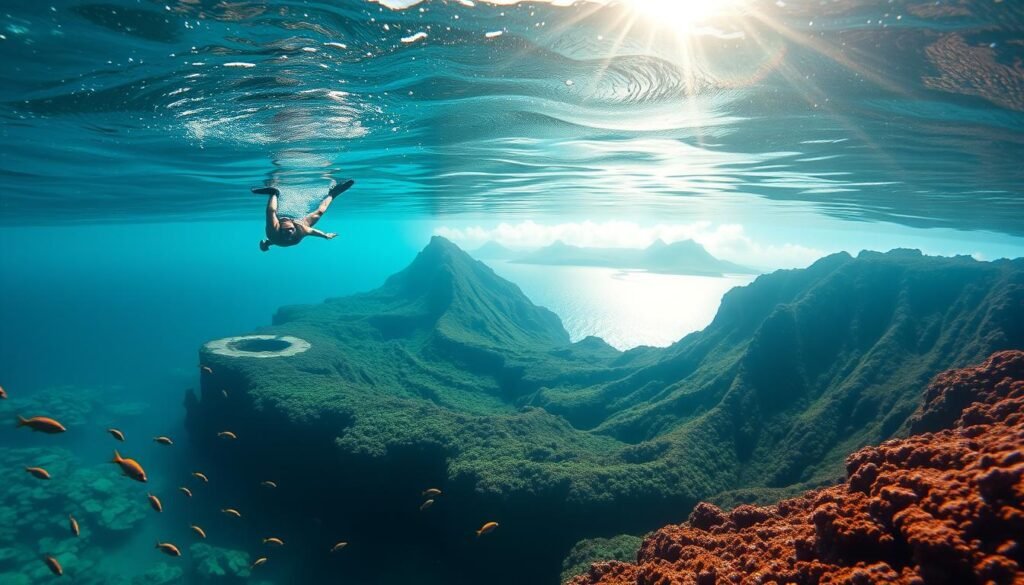
Catching Molokini at first light feels like a private viewing of a living aquarium. I book the earliest launch so my boat often gets the first drop at the crater.
Why go early: sunrise power rafts from South Maui can spend about 45 minutes in calmer water with far fewer fins and clearer views. Many operators pair the crater with a stop at Turtle Town for easy, shallow-water turtle sightings.
Be first to Molokini on a sunrise power raft
I pick the first tour of the morning because light and visibility make the reef pop. If you want a relaxed trip, book an early power-raft tour and arrive ready for quick, bright snorkeling.
Buddy system, conditions, and “if in doubt, don’t go out”
Safety is simple: never snorkel alone, always check lifeguard flags, and follow crew guidance. When winds rise or the crew hesitates, I wait for a calmer day rather than pushing it.
- I bring a warm layer for the ride, reef-safe sunscreen, and a dry bag for snacks and a towel.
- After Molokini, a mellow afternoon—long lunch or a beach nap—keeps the day balanced.
- Compared with other islands like the Big Island, Molokini’s crater often offers superior clarity at dawn.
“If seas feel iffy, I reschedule rather than risk the trip; there’s always another calm morning.”
For easy booking and local operators, I often choose an early power-raft tour from the South shore—see options and schedules on the early power-raft tour page.
Ocean Time, Different Way: Outrigger Canoe with Sea Turtles
An outrigger canoe ride is a gentle way to meet sea life just beyond the shoreline. I pick these tours when I want ocean calm without a long swim. Guides launch in the early morning when winds are light and the water stays glassy.
The canoe’s stability makes it great for all ages. Guides often paddle a few hundred meters offshore to known turtle zones. They bring waterproof bags and local stories while keeping a respectful distance from wildlife.
Why it works if you avoid snorkeling
This is a perfect option for people who find snorkeling daunting. You still get close views of turtles and reef life without committing to a long swim.
- Calmer way on the water: stable outrigger and gentle seas.
- I book early morning for the best light and light winds.
- It suits multi-generational groups and casual visitors easing into ocean time.
- We often pair the paddle with a slow breakfast and beach afternoon afterward.
“It’s an experience that lets me enjoy ocean life while staying grounded and relaxed.”
Whale Watching in Season and Helicopters Over Cliffs
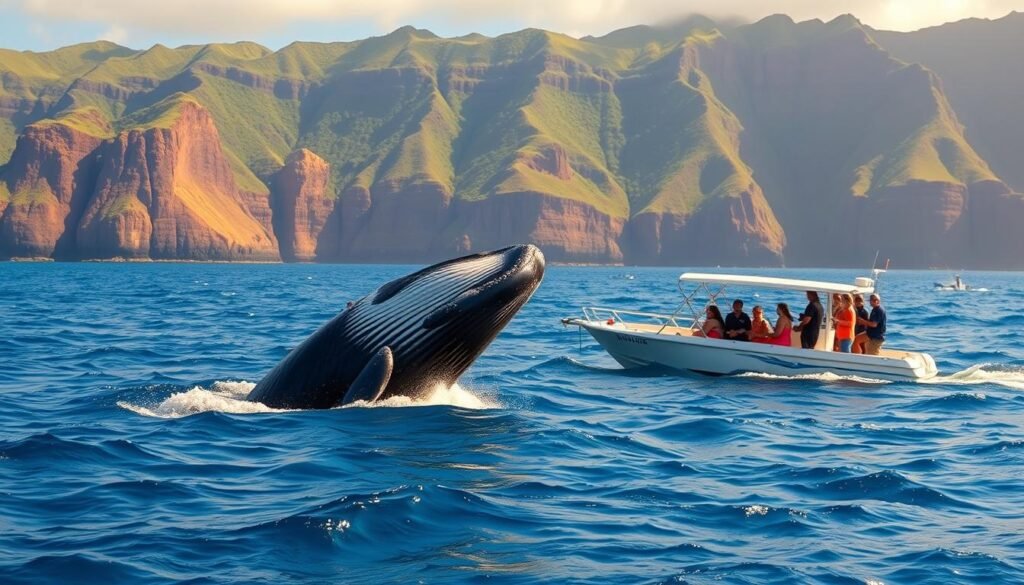
When humpbacks arrive each winter, the island’s coast becomes a live classroom for marine life. I join a naturalist-led whale watching trip—often with the Pacific Whale Foundation—so I learn behavior and conservation while we scan for blows.
Naturalist-led winter tours
I pick mid-morning or midday departures when trade winds often ease and seas are calmer. A guide helps me spot distant blows and explains what the animals are doing.
Helicopter runs: Molokaʻi cliffs versus Maui routes
For aerial drama, my top helicopter option is the Molokaʻi sea cliffs run—flying from Maui along the remote north shore of Molokaʻi to see the tallest sea cliffs on Earth. It feels like a hawaiian island hop without changing hotels.
Maui-only flights are gorgeous too, showing Haleakalā colors, rainforest canyons, and West Maui ridgelines. There are a lot of operators, so I read recent reviews and confirm seating and window rules before I book.
- I book ahead but leave room for weather changes and cancellations.
- Visitors prone to motion sickness take precautions; it’s worth it for the views.
- I bring binoculars and a long lens, then allow quiet time afterward to process the day.
“A naturalist tour turns sightings into stories — and that makes each moment stick.”
West Maui Trails and Coastal Thrills
If I have one day on the west side, I focus on short coastal loops and a sunset ridge for color and marine spotting. This side rewards simple plans: an easy warm-up hike, a dramatic blowhole, and a longer ridgeline as the day cools.
ʻŌhai Loop is an approachable 1.2-mile coastal walk off Kahekili Highway. It’s a quick, scenic warm-up that gets me onto the coast without heavy effort.
West Lāhainā Pali for late light and whale watching
The West Lāhainā Pali Trail is about 4.6 miles and is my go-to for sunset. In winter I scan the ridgeline for whale spouts along the shore. Visitors with limited time can do a shorter out-and-back and still catch great color.
Naikalele Point blowhole and north shore drama
Near mile marker 32.5, Naikalele Point delivers geyser-like spouts at high tide when waves hit just right. I keep a safe distance, watch the swell, and never turn my back on the surf.
- I plan a West Maui day around ʻŌhai Loop, Naikalele, and the Pali ridge for steady payoffs.
- I wear sturdy shoes, carry water, and bring a headlamp if sunset runs late.
- Wind can change ridge conditions quickly; I check forecasts and adjust plans.
- Some local tours offer guided history walks, but most stops work well as DIY hikes.
“This side always calls me back for cliffs, spray, and wide-open sky.”
| Spot | Feature | Best use |
|---|---|---|
| ʻŌhai Loop | 1.2-mile coastal loop | Warm-up, quick photos |
| Naikalele Point | Blowhole near mile 32.5 | High-tide ocean drama (safe viewing) |
| West Lāhainā Pali Trail | ~4.6-mile ridgeline | Sunset, shoreline whale spotting |
Waterfalls and Ridge Walks I Keep Returning To
I aim for early starts on ridge trails and cautious crossings in gulches where water moves fast. Two hikes I repeat are small in length but big in reward: one ridge, one gulch.
Waiheʻe Ridge Trail’s morning views
Waiheʻe Ridge is a 4.4-mile day hike that gives ocean-and-mountain panoramas. I arrive before sunrise when parking is easier and clouds sit low.
I pack traction, layered clothes, and a light headlamp. Mud shows up at times, so steady footing matters. Each hike feels new as the light shifts over the ridge.
Makamakaʻole Falls (13 Crossings): stream safety first
Makamakaʻole (13 Crossings) is beautiful and unmanaged. I treat it with respect: slippery rocks, possible rockfall, and streams that can rise quickly.
- I check weather radar and stream reports before I leave.
- I park legally, carry a dry bag and trekking poles, and never block gates.
- If conditions look marginal, I choose managed viewpoints or go with a local guide.
“When water rises or the forecast changes, I skip the route without regret.”
That cautious way keeps visitors safe and lets me enjoy more island days without unnecessary risk.
Upcountry Day: Kula Bistro, Polipoli Redwoods, and Ulupalakua Ranch
A short drive uphill swaps hot sand for redwoods, ranch burgers, and quiet viewpoints that make the day feel slow in the best way. I treat this loop as a single, easy day when I want cooler air and fewer crowds.
I fuel mornings at Kula Bistro—paninis or a brunch plate set the pace for the forest walk and the rest of the route. The food here is a simple highlight that brackets a good hike.
Redwoods on Maui and cooler forest hikes
Polipoli-Redwood Loop surprises many visitors with shaded trails and tall pines inside the Kula Forest Reserve. Temperatures drop here, so layers belong in my pack even on a sunny island afternoon.
Trails offer options from short strolls to longer loops; I download maps while I have service and watch for fog or slick sections.
Ulupalakua Ranch Store & Grill and native plants on the grounds
The ranch makes a perfect midday stop. I linger over burgers and local drinks, then walk the grounds to see native Hawaiian plants and conservation work.
- I leave room for a viewpoint near Haleakalā National Park rather than rushing back.
- Compared with the Big Island, this upcountry feels intimate — one best surprise is how relaxed the whole loop becomes.
“A slow upcountry loop—food, forest, and ranch—gives real mountain relief from the coast.”
Family-Friendly Fun: Maui Ocean Center and Behind-the-Scenes
When I want a reliable indoor highlight, the Ocean Center’s behind-the-scenes tour tops my list. It’s an easy plan change on hot afternoons and a clear win for families.
The tours are small-group and hands-on. I’ve watched guides feed young sea turtles, sharks, and stingrays while explaining care and local ecology. The center features only Hawaiian species, which makes the visit feel focused and authentic.
Feeding turtles and sharks on a curated tour
The experience feels intimate: curated feedings, a peek in the curatorial lab, and supervised touch encounters. It’s a great use of time between outdoor days and a perfect add-on to any things list for families.
- Book midday: air-conditioned learning is nice when the sun is high.
- Guides weave culture and conservation into the tour, so it’s more than a look-and-see.
- I leave room after the tour to walk the public exhibits and the tunnel before dinner.
- Special programs—sleep-with-the-sharks or certified dive options—are available seasonally; I check availability early.
“It’s a relaxed, high-impact visit that balances my adventure days and gives kids real marine context.”
Support Local: Markets, Banana Bread, and Shrimp Trucks
Local markets and roadside plates shape how I eat and move around the island. I plan quick stops that give me real flavors and a sense of place without stealing a whole day.
Where I go: the Queen Kaʻahumanu Center farmer’s market runs Tuesday, Wednesday, and Friday. I time visits for fresh fruit, veggies, and warm Anacel’s banana bread.
Kahului favorites and a cash-only shrimp plate
I drive a few minutes from the airport to Da Kitchen if I land midday. Their portions are huge and classic local food feels like a home welcome.
For a simple lunch, Geste Shrimp Truck on Kahului Beach Road is my pick—shrimp plates, bold flavor, and remember: cash only.
- I plan market runs around market days so I bring a cooler in the car for produce and baked goods.
- Supporting local people and small businesses becomes part of the trip rhythm, not a one-off visit.
- I keep a short list in this post of plug-and-play stops near the airport and upcountry—Kula Bistro often makes the list for baked goods and brunch.
- These quick food options add flavor without burning time; I manage timing so stops fit between drives.
“One farm stand and a shrimp plate at a roadside truck taught me more about the place than any guidebook.”
| Spot | What I buy | Best days / notes |
|---|---|---|
| Queen Kaʻahumanu Center market | Fruit, veggies, Anacel’s banana bread | Tue, Wed, Fri — bring a cooler |
| Geste Shrimp Truck | Shrimp plates (cash only) | Kahului Beach Road — short drive from airport |
| Da Kitchen | Large local portions | Near airport — good for midday arrivals |
| Kula Bistro | Baked goods, brunch | Upcountry stop — pairs well with Polipoli drives |
Where I Splurge Without Staying Overnight: Resort Day Passes
For a mid-trip recharge, I choose a resort pass that pairs calm pool time with kid-friendly thrills.
Fairmont Kea Lani day passes give me access to family pools, an adults-only pool, and a 140-foot waterslide with full poolside service.
Private cabanas let me match the space to my group: ‘Elua for two adults, Aliʻi for a larger adults-only splurge, and ‘Ohana for a family of four. Each cabana often includes soft drinks, ice cream, and an F&B credit.
I always make a reservation for peak weeks. Passes and cabanas can sell out, and I like having that time locked in.
When I’m short on time, I book the fitness-class pass and use the rest of the day for a nearby beach stroll and an easy dinner on the Wailea path.
| Option | Capacity | Included perks |
|---|---|---|
| ‘Elua | 2 (adults) | Drinks, F&B credit, private shade |
| Aliʻi | 6 (adults) | Expanded seating, premium service, credit |
| ‘Ohana | 4 (family) | Family pool access, snacks, ice cream |
Conclusion
My final rule: anchor each day with one big highlight and let the rest be flexible. I split time by side — West Maui trails, South Maui beaches, and a Hāna overnight — so the car hours stay low and the days feel rich.
Book key reservations early (Haleakalā sunrise, Waiʻānapanapa, Molokini) and keep a sunset backup if plans shift. Mix guided tours with simple DIY stops like the Kahului markets and shrimp trucks for authentic food and rhythm.
Safety guides choices: avoid night drives for deer, heed stream warnings, and when seas look iffy I skip water plans. Winter brings whale watching; helicopters add dramatic views.
Use this post as a compact list of reliable options for a smart trip maui — pick your favorites, stay flexible, and enjoy the island time.