
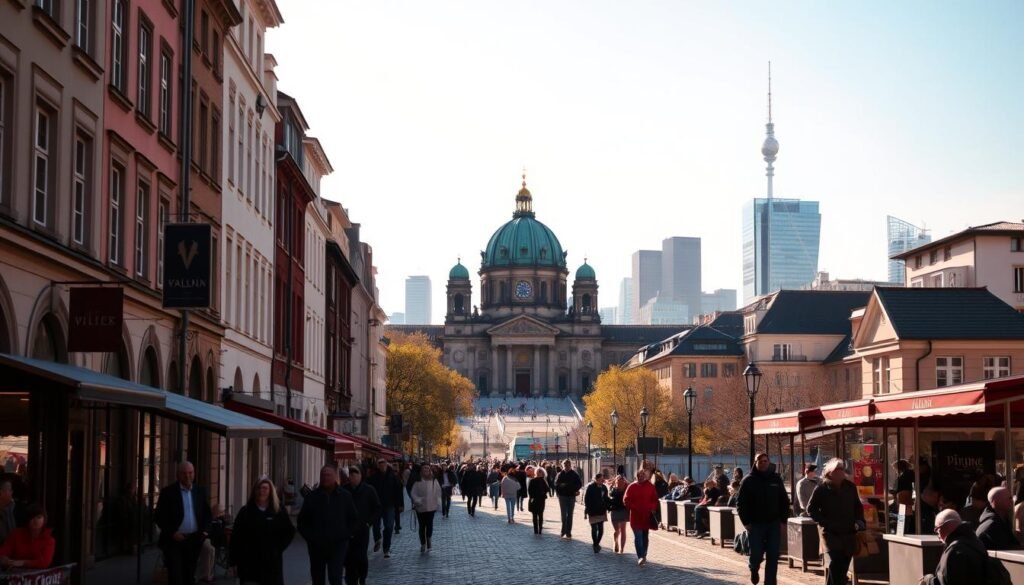
Surprising fact: over a third of the city’s top attractions are free to visit, from iconic gates to open-air galleries.
I write this guide after many visits, and I pack years of local tips into a compact list that helps you plan an efficient, personal trip. I point out free heavy-hitters like the Reichstag dome (free with advance registration) and the East Side Gallery, alongside paid experiences worth your time.
My goal is simple: cluster highlights by neighborhood, build smart routes, and add budget-saving hacks like using bus lines 100/200 for major sights. I also show where powerful memorials sit next to lively parks and markets, so you can connect the past with today’s culture.
For a full curated itinerary and exact suggestions, check my detailed roundup: best list for visiting Berlin.
Key Takeaways
- Free highlights include the Reichstag dome (reserve ahead), Brandenburg Gate, and the East Side Gallery.
- Bus 100/200 gives a low-cost route past many main sights.
- Tempelhofer Feld is ideal for cycling, skating, and picnics.
- Major memorials are central and free, offering deep historical context.
- My list balances landmarks, neighborhoods, food, and downtime so you can tailor your experience.
How I plan my trip: visiting Berlin like a local with a first-timer’s mindset
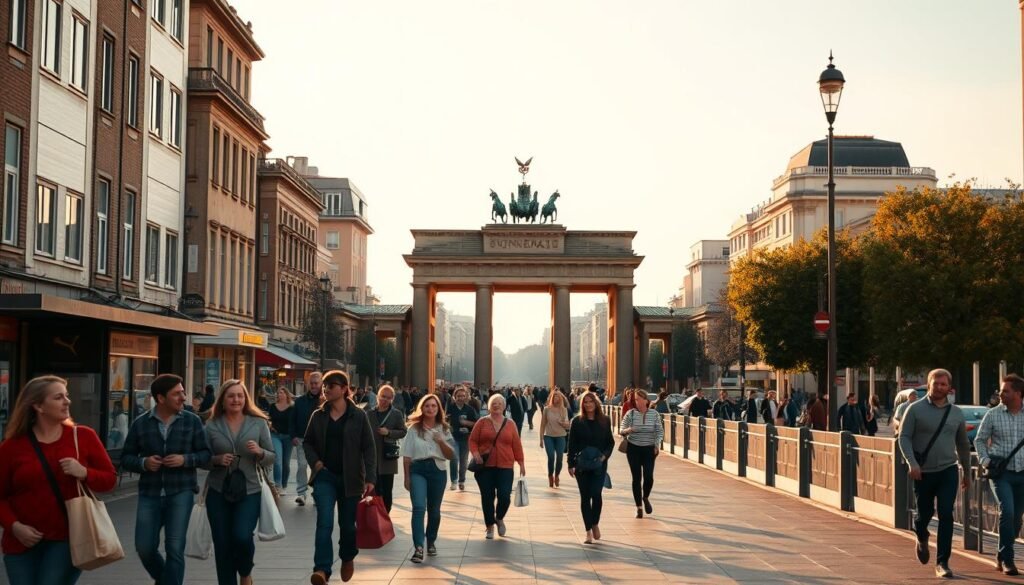
My approach blends local rhythm with rookie-friendly pacing so you leave curious, not exhausted.
When I use the Berlin City Pass to save time and money
I map clusters of places and check travel time between them. Then I decide if the Berlin City Pass will cut cost and stress on this trip.
Why I buy it: the pass can include a 1-hour sightseeing cruise, a 24-hour hop-on hop-off bus, audio guides, and internet access. Options run Classic, Premium, and Deluxe and offer flexible use up to 14 days plus free cancellation and savings around 34%.
My go-to booking habits for tickets, tours, and views
I lock timed entries for high-demand tickets like the TV Tower. For the free Reichstag dome, I register early to secure a slot.
- I anchor each day with one marquee tour—bike, street art, or food—then leave flexible windows for museums and cafés.
- I keep a short list of nearby restaurant options so I can pivot without wasting time.
- If I’m short on time, I plan one view and one hands-on activity each day for balance.
- I use bus 100/200 as a low-cost rolling orientation to preview major sights.
| Pass Tier | Main Inclusions | Best use case |
|---|---|---|
| Classic | Hop-on bus, audio guide | Quick city loop with a couple of museums |
| Premium | Bus + cruise + internet | Busy 24-hour schedule and sightseeing cruise |
| Deluxe | All inclusions + extras | Extended stays up to 14 days wanting full coverage |
Things to do in Berlin
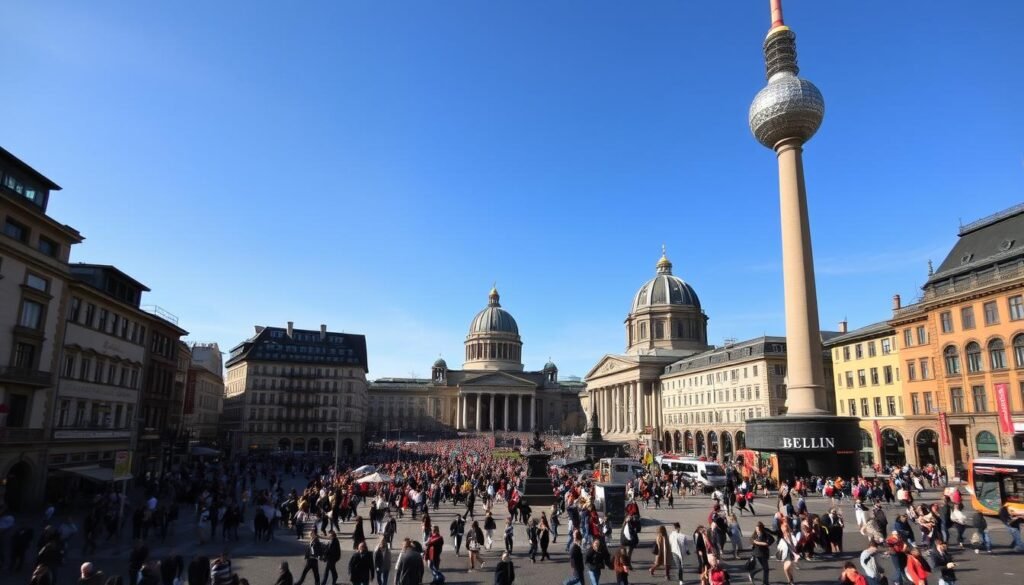
My perfect itinerary blends sunrise views, a reflective walk, and an afternoon of museum art.
I start at the Brandenburg Gate at first light for calm photos and a gentle entry to the day. A short walk brings me to the Holocaust Memorial for a quiet, reflective visit before the city wakes.
My perfect “iconic” day at a glance
I pre-book the Reichstag dome and aim for a mid-morning slot. The timed visit gives sweeping views and an easy move toward lunch nearby.best-places-to-visit-in-mexico
- After lunch, I spend time on Museum Island and pick one museum—often the Pergamon Museum—with an audio guide for context.
- I use bus 100 as a fast, scenic link between anchor places, hopping off when a view or café calls.
- Late afternoon includes a walk around the Berlin Cathedral and golden-hour light along the Spree.
- For dinner I choose either a classic German meal or a quick street bite, depending on energy.
- If I want one best skyline photo, I save the TV Tower for blue hour, then cap the night with a short twilight bike tour.
| Time | Stop | Why I like it |
|---|---|---|
| Sunrise | Brandenburg Gate | Fewer crowds, cleaner photos |
| Mid-morning | Reichstag dome | Panoramic views, free with booking |
| Afternoon | Museum Island – Pergamon Museum | Headline pieces; audio guide adds depth |
| Evening | TV Tower / twilight tour | Best light for photos and a fresh perspective |
See the Brandenburg Gate by day and by night

I time my visit so the gate feels like a quiet stage, then come back when light gives it drama.
Photo tips for sunrise and blue hour at Pariser Platz
The Brandenburg Gate is a national symbol of peace and unity and carries heavy history.
I arrive at Pariser Platz before sunrise to claim a clean foreground and keep people out of the frame. Then I return at blue hour when the Gate glows and the lights lift the classic buildings around it.
Midday is often packed with tourist groups, so I plan early and late windows to avoid the crush. For an alternate view, I climb the nearby Victory Column (entrance ~€2.20) for a wide panorama over the city.
- I work the square edges for scale and context, including the flanking architecture.
- I keep a fast prime and a lightweight tripod for long exposures and night frames.
- If rain comes, I use the paving reflections for moody, dramatic shots.
Pro tip: read a short primer on the Gate’s role in the fall of the Wall the night before. Light changes fast here, so patience and timing pay off every time.best-time-to-visit-spain
Tour the Reichstag dome for panoramic city views
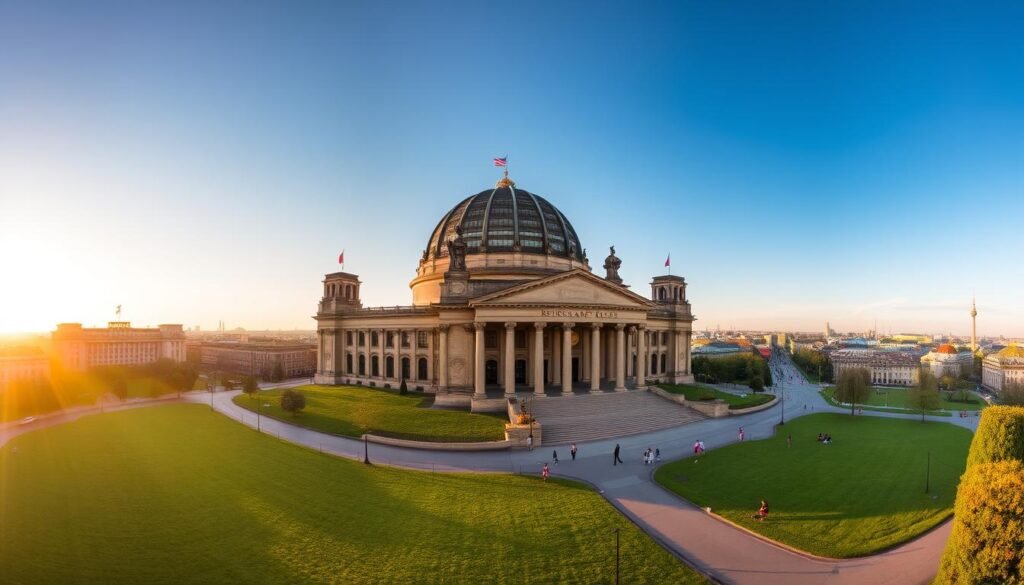
A visit to the Reichstag’s glass dome gives one of the clearest panoramas across the city skyline. I find the scene of rooftops and spires both calming and vivid.
Booking is simple but required: the dome is free, yet you must reserve a specific time slot online well ahead. Same-day registration at the service center exists, but slots are often gone.
How I book the free slot and what to expect at the top
I secure my ticket as soon as dates lock. On arrival, security feels like an airport, so I get there 15–20 minutes early for a smooth entry.best-places-to-visit-in-japan
- I pick morning or late-day hours to avoid harsh glare and get softer light.
- Plan about 60–90 minutes for security, the spiral ramp, and reading the panels.
- At the top I pause for 360-degree views of nearby buildings and landmarks.
- If weather looks poor that day, I keep a backup slot another day and walk toward the Spree after the visit for riverside photos and coffee.
Why I recommend it: this short tour blends architecture, outlook, and context. I tell every first-time traveler that a Reichstag stop is worth the time.
Trace history at the Berlin Wall: East Side Gallery and beyond
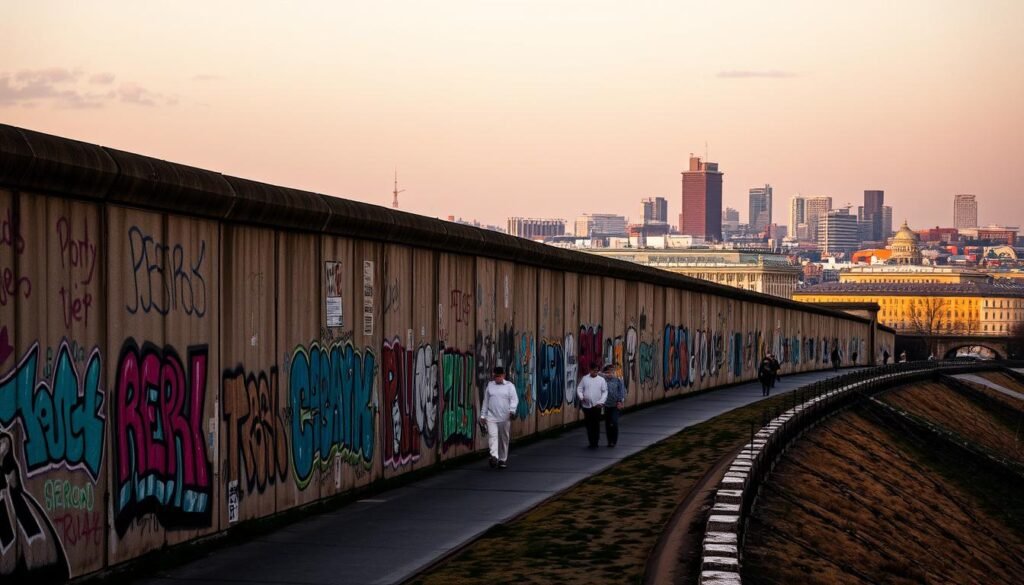
A 1.3 km stretch along Mühlenstraße by the River Spree holds over 100 murals that read like a public memoir.
I begin at the Oberbaumbrücke end and walk the full East Side Gallery so I can follow the evolution of art and history panel by panel. I pick an early hour to get wider shots and avoid tour crowds.
This is the part of the wall that feels alive—painted with messages from around the world—so I slow down and listen with my eyes.best-time-to-visit-new-zealand
My usual rhythm:
- I step back for wide frames, then move closer for detail shots of murals and signatures.
- After the walk, I cross Oberbaumbrücke for city views and a fresh angle on the river-side paintings.
- I always stop at the Photoautomat near the gallery for a classic €2 strip—an easy, low-cost souvenir that makes the visit fun.
If I want deeper context, I add a short Cold War or street art tour later the same day. I respect the work by not touching pieces and by framing thoughtfully before I snap a photo. When I need a break, a riverside coffee and watching boats on the Spree feels just right.
Dive into Berlin’s Cold War story: Topography of Terror, Checkpoint Charlie, and memorials
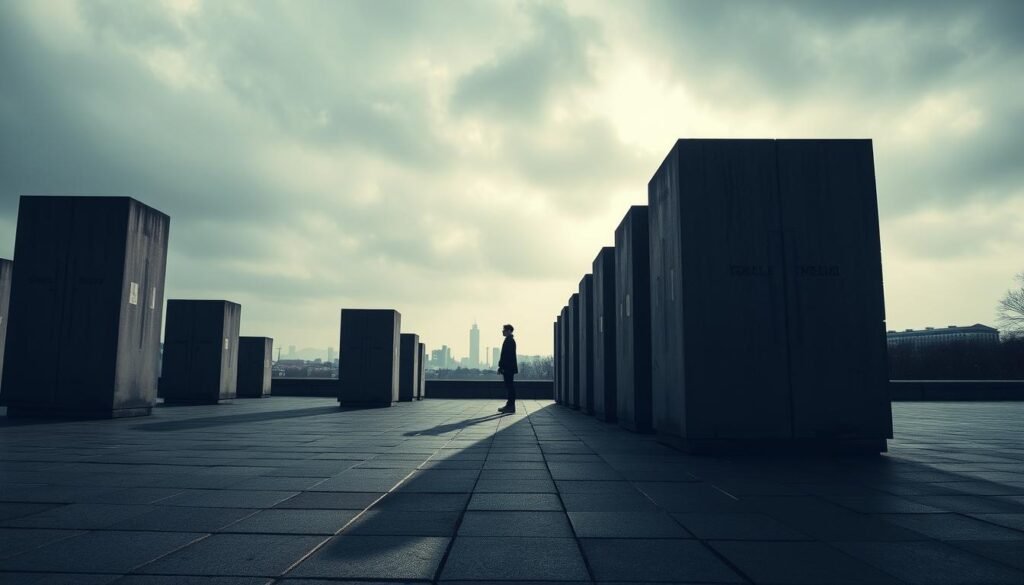
Some of the city’s most sobering exhibits sit close together, so I pace my visit carefully. I plan my route so I can read, reflect, and then rest.
Topography of Terror: why I always take my time here
The Topography of Terror sits on the former Gestapo and SS headquarters. Admission is free and the indoor and outdoor exhibition covers Nazi terror, the Holocaust, and the Berlin Wall.
I block at least 90–120 minutes because the displays reward slow reading and quiet thought. I follow the timeline and let the outdoor panels settle the World War transitions for context.
Checkpoint Charlie in context
Checkpoint Charlie was the crossing between East and West Berlin, a sharp symbol of division. I treat the spot as historical context rather than a photo-op and then visit nearby museums and panels for depth.
Holocaust Memorial and Memorial to Homosexuals Persecuted Under Nazism
The Memorial to the Murdered Jews of Europe is a field of concrete slabs that asks for silence and respect. I step inside, leave my camera down, and feel the design’s disorientation.
Across the street, the Memorial to Homosexuals Persecuted Under Nazism is a single block with an interior video. I pause there to acknowledge another painful part of history.best-time-to-visit-london
- I keep photos minimal and respectful; the experience matters more than pictures.
- For a deeper dive, I book a specialist Cold War tour and stitch sites together with an expert narrative.
- There’s a lot to process, so I build in a restorative break—often a short walk in Tiergarten.
| Site | Why visit | My tip |
|---|---|---|
| Topography of Terror | Free exhibition on Nazi agencies and the Wall | Allow 90–120 minutes; read timelines |
| Checkpoint Charlie | Cold War boundary between East and West Berlin | Use nearby museums for context; skip the staged photo hustle |
| Holocaust & Homosexuals memorials | Designs that invite quiet reflection and memory | Do not sit or climb on stelae; keep cameras low |
Lose yourself on Museum Island
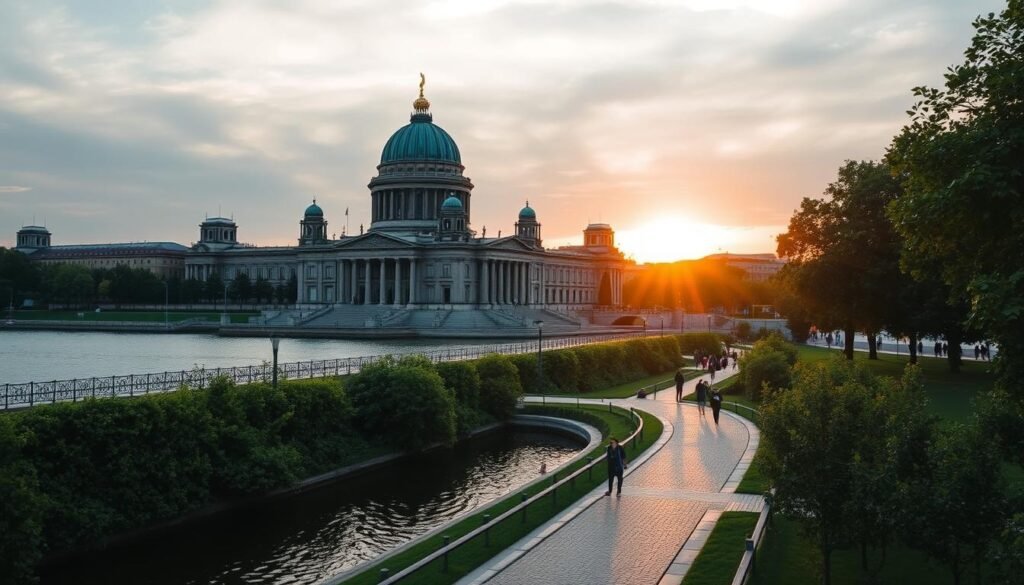
Museum Island sits like a compact history lesson at the heart of the Spree. Five major institutions form a walkable cluster that rewards slow strolling.
Pergamon Museum highlights and why I highly recommend an audio guide
The Pergamon Museum holds monumental reconstructions from ancient Greece, Rome, the Near East, and Islamic art. I highly recommend the audio guide; it untangles context and brings objects to life.
Altes, Neues, Bode, and Alte Nationalgalerie at a glance
I pick one or two museums per session so I actually see the art rather than rush through buildings. For a quick scan: Altes focuses on antiquities, Neues has Egyptian treasures, Bode shows sculpture, and Alte Nationalgalerie houses 19th-century painting.
Berlin Cathedral: best angles and terrace views
Outside, I circle the Cathedral for its photogenic facades from bridges and lawns. If weather allows, I climb the terrace for crisp views of the island and wider city.
| Site | Focus | Tip |
|---|---|---|
| Pergamon Museum | Antique reconstructions & Islamic art | Book a ticket and take the audio guide |
| Neues Museum | Egyptian artifacts | Look for free evening slots on select days |
| Alte Nationalgalerie | 19th-century paintings | Combine with a relaxed riverside break |
Quirky, hands-on museums I love: DDR Museum and the Berlin Spy Museum
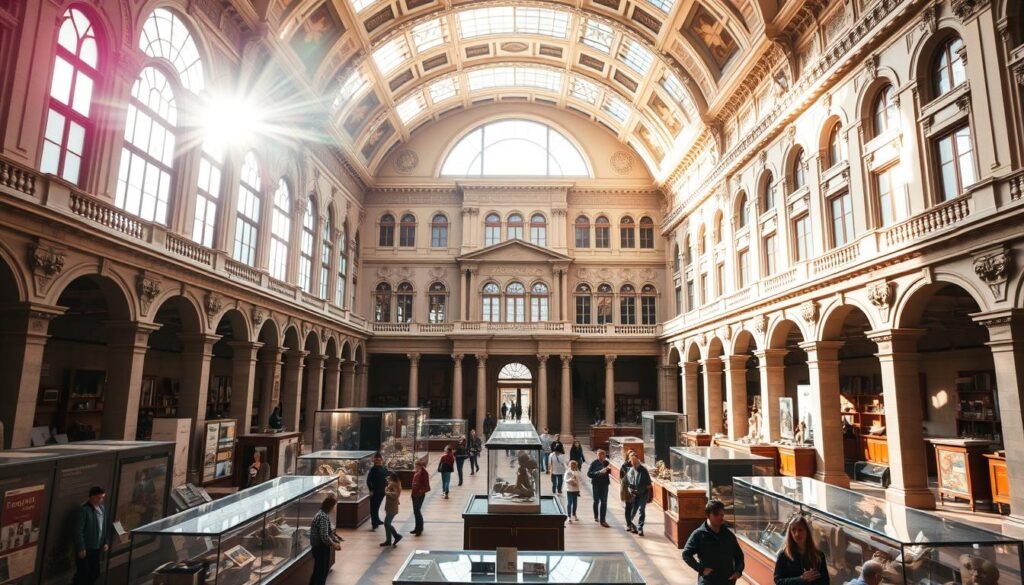
Some museum visits are built around touch, play, and surprise. I plan these when I want the day to feel active rather than purely visual.
What my kid-at-heart loved about the DDR Museum
The DDR exhibition lets me open drawers, test devices, and even “drive” a virtual Trabant. I found the simple daily-life displays make the GDR era easy to grasp.best-time-to-visit-peru
Laser maze and code cracking near Potsdamer Platz
The Spy Museum is open daily 10 am-8 pm. I plan a 2–3 hour visit and aim for weekday mornings to avoid crowds.
Hands-on highlights: a laser maze, password hacking, and code puzzles that keep kids (9+) and adults laughing. These spots pair well if I’m building a cold war tour for the afternoon.
| Museum | Main draw | Best plan |
|---|---|---|
| DDR Museum | Interactive GDR life & virtual Trabant | Allow 60–90 min; bring curious people |
| Spy Museum | Laser maze, code cracking | Plan 2–3 hours; go at opening on weekdays |
Soak up the scene at Potsdamer Platz
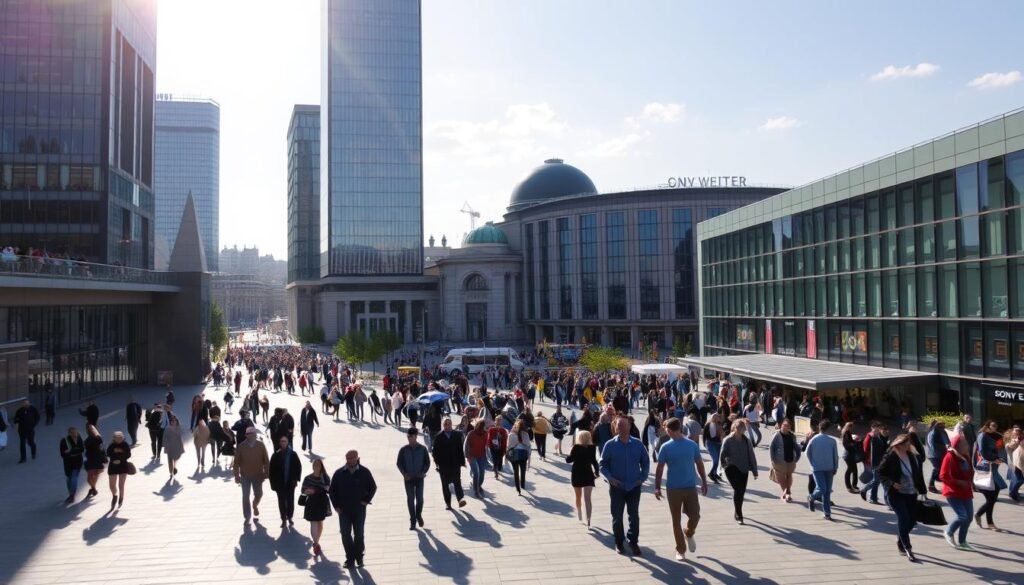
A walk through Potsdamer Platz feels like stepping into a modern chapter of city renewal. Once a “death strip” between East and West, this square now hosts three major developments: Sony Center, Daimler City, and Beisheim Center.best-places-to-visit-in-spain
Architecture, film, and exhibitions around the Sony Center
I time my visit for dusk. The Sony Center canopy and surrounding buildings glow and make for easy photos.
Inside the Sony Center I visit the Deutsche Kinemathek. The multimedia exhibition traces German film from expressionism through post-world war eras. Admission runs about €9 (reduced €5).
I like to pair an architecture walk with a short tour or coffee, then browse nearby shops and pick a restaurant. Bars and hotel lounges, like the Curtain Club, are handy for a pre-show or late drink.
- I come here to see how a place once divided has become a lively cultural home.
- Look for pop-up events—there’s a lot happening seasonally.
- If I’m pressed for time, I focus on one cluster, one exhibition, and one meal—simple and satisfying.
Feast your way through the city: currywurst, markets, and restaurants
I chase golden hour with a paper cone of currywurst and a cold beer, finding the best sunset views near the Brandenburg Gate. That simple ritual turns an evening into a memory.
My favorite currywurst moment with a Brandenburg Gate sunset
I time a quick stand-up meal so the final bite lines up with the light on Pariser Platz. A spicy sausage and a cold beer make a perfect spot for a casual photo and people-watching.
Markthalle Neun: why I come hungry
Markthalle Neun has a lot of stalls and fresh produce under one roof. I wander the shops, sample, and grab a small plate if the weather turns or I have kids with me.best-time-to-visit-yosemite
Where I find Turkish and Middle Eastern bites in Neukölln
In Neukölln I rotate between Azzam for silky hummus and Sahara Imbiss for falafel with peanut sauce. I also use self-guided food tour apps like BiteMojo to stitch hidden courtyards and cafés into a relaxed route.
- I keep a short list of places eat per neighborhood so I can pivot quickly.
- For groups, I mix quick street snacks with one sit-down restaurant each day.
- Coffee breaks are mini pit-stops that keep the trip moving.
| Option | Why I pick it | Best for |
|---|---|---|
| Currywurst stand | Fast, iconic flavor by sunset | Solo snack or casual date |
| Markthalle Neun | Many stalls and indoor variety | Bad weather, families |
| Azzam / Sahara Imbiss | Top Turkish and Middle Eastern bites | Late-night cravings and hearty meals |
Raise a glass: beer tours, rooftop bars, and cozy coffee shops
I often plan a late afternoon that leads from a quiet café to a lively rooftop with a sunset view. That shift resets my pace and rewards a long day of museums.
Beer tasting tours that changed my mind about German brews
I book a guided beer tour when I want stories with my sampling. Tours like Sandemans run about 3 hours, use small groups, and explain regional styles and history.
Tip: I pair samples with light food so the tasting stays lively rather than fuzzy.
Klunkerkranich rooftop bar for golden-hour views and DJs
Klunkerkranich sits atop Neukölln Arcaden (Karl-Marx-Str. 66). Entry is roughly €3 after 4 pm. I arrive near sunset for the best view.
Weekends bring DJs and energy; weeknights are quieter and great for conversation.
Coffee breaks I plan between museums and walks
On museum-heavy days I map one nearby coffee stop. Short breaks save feet and sharpen focus for the next gallery or stroll.
| Option | Duration / Hours | Why I pick it |
|---|---|---|
| Guided beer tour | ~3 hours | Learn styles, history, and taste regional brews |
| Klunkerkranich rooftop | Entry after 4 pm | Golden-hour skyline, DJs, indoor/outdoor seating |
| Café break | 15–45 minutes | Rest between sites and plan the next stop |
- I rotate bars by neighborhood so I avoid long cross-city hops.
- If rain threatens, I find an indoor bar or café in the same block.
- Evenings are about the experience—good chat often outshines the drink.
Neighborhoods I never skip: Kreuzberg, Friedrichshain, and Neukölln
My favorite neighborhoods reward slow wandering: each block hides murals, indie shops, and late-night bites that feel like discoveries rather than stops on a map.
Kreuzberg is where street art guides my turns and late-night eats steal the show. I plan a coffee pause, follow a mural-lined lane, and let the scene lead me to a small restaurant for a casual meal.
Friedrichshain has eclectic shops and murals that make side streets worth detouring. I cluster shops by block so I don’t zigzag across the city and burn energy before evening plans.
Neukölln blends multicultural flavors; I rotate between Azzam and Sahara Imbiss, then linger by the canal as people gather at sunset.
Street art, shops, and late-night eats
I usually start with a relaxed walking loop or a self-guided food tour app to map hidden courtyards and small places eat. If I want depth, I book a local-led street art tour to decode recurring motifs and meet the people behind the work.
- I add one or two restaurants per area, then stay flexible for spontaneous cravings.
- Cluster shops and plan coffee breaks so afternoons stay slow and easy.
Views for days: TV Tower, Park Inn platform, and more
For skyline lovers, nothing beats a high perch as daylight folds into evening over Alexanderplatz.
I book a TV Tower ticket ahead for sunset slots. The Fernsehturm rises 368 m and standard admission runs from about €18.50. If I want a longer evening, I sometimes splurge on a table at the rotating restaurant and watch the city turn beneath me.
Park Inn rooftop: the one best head-on shot
The Park Inn platform costs roughly €6. I take the elevator to floor 35, then climb about 80 stairs to 39. From there I get a clean, head-on photo of the Tower that many visitors miss.
I travel light here: phone plus one small camera keeps lines moving and lets me seize the blue hour.
- Plan for weather: the Park Inn platform can close in wind, so I keep a nearby backup viewpoint ready.
- Pairing: a Tower visit then walk toward Museum Island is ideal if I chase blue hour photos.
- Time tips: on tight schedules I pick just one view so I protect my evening plans.
| Spot | Cost | Why I pick it |
|---|---|---|
| Fernsehturm (TV Tower) | ~€18.50 | High panorama; optional rotating restaurant for a relaxed dinner |
| Park Inn platform | ~€6 | Best head-on Tower shot; quick visit with slight climb |
| Nearby rooftop backup | Varies | Useful if weather closes the Park Inn; keeps evening on track |
For more ideas on where I find the city’s most striking views, see my roundup of the best Berlin views.
Tours that make Berlin unforgettable
I often let a local guide set the pace and point out details I’d miss alone. Guided options turn random wandering into a clear rhythm for the rest of my trip. They also save time and add context.
Bike the sights with plenty of stops
Berlin is flat and full of dedicated lanes, so a bike tour is beginner-friendly. Typical outings run 3.5–4 hours with frequent stops and a café break.
Street art deep dive led by a local artist
Booking a street art tour with an artist rewires how I see murals. I learn techniques, stories, and hidden pieces that photos alone won’t explain.
Dancing silent-disco around Museum Island
The moving silent-disco starts Fridays at 9 pm at Unter den Linden 3. It mixes music, light, and friendly people for a joyful night-level experience near the museum quarter.
- I pick a bike tour early to map the city and feel confident on foot later.
- Cold War walking tours (about 2 hours) add context at Checkpoint Charlie and memorials.
- One guided block per day keeps my schedule flexible and leaves room for museums and meals.
Guided outings helped me meet new people and left me with local dinner plans more than once.
Parks, lakes, and lazy hours outdoors
Some of my best memories begin with a rented bike and a long, open strip of pavement. I use these green pauses as a gentle counterpoint to museum-heavy days and let the afternoon set the pace.
Tempelhofer Feld: cycling an old runway
Tempelhof closed as an airport in 2008 and is now a vast public park where I ride the old runway. The open air feels incredible, but note there is little shade—bring sunscreen and water.
I often rent a bike, skate a lap, and then sit with simple food and a book. It’s a favorite place for long, lazy hours that feel almost like being at home in the middle of the city.
Viktoriapark waterfall and a picnic with a view
In Kreuzberg I climb the hill at Viktoriapark, watch the small waterfall, and spread a picnic. Nearby cafés make grabbing coffee easy if I forget a thermos.
Sunset beers along the Landwehrkanal
Late-day, I head to the south bank at Carl-Herz-Ufer and find a quiet spot by the water. People gather for sunset beers and quiet conversation; when clouds arrive I move to a nearby bar or café and keep the relaxed vibe going.
“These outdoor hours often become my most memorable conversations.”
If I want movement first, I join a short neighborhood tour, then unwind by the canal. That rhythm—active then slow—makes the area feel friendly and effortless.
Sunday classics: Mauerpark flea market and bear-pit karaoke
Mauerpark turns into a weekend ritual: a sprawling flea market that folds into communal karaoke under open skies.
When it runs: the market opens 7 am and winds down by 5 pm, while the famous bear-pit karaoke usually starts around 3 pm.
I arrive late morning so I can browse the shops and stalls without rushing. I stash finds in a tote and keep cash handy because many vendors prefer it.
The crowd mixes locals and tourist visitors cheering on brave singers. I snack from food stands and hold a beer or lemonade while the amphitheater fills.
Time flies here, so my evening stays loose—a nearby bar makes a fine fallback after the show. Rain shifts the mood but never kills the energy, and I keep my camera ready for candid moments while staying present for the sing-alongs.
“This Sunday ritual is one of the few local events I add to my list whenever I can.”
- Arrive late morning, stake a seat by mid-afternoon.
- Bring a tote and cash for smaller purchases.
- Plan a casual bar nearby instead of a strict reservation.
Easy wins for first-time timing, tickets, and crowd-skipping
I plan my day around windows of calm—early light for landmarks, late hours for quieter galleries.
When I go early, when I go late, and when I book ahead
I head out at sunrise for big icons like the Brandenburg Gate and the East Side Gallery. The cast of light and thin crowds make photos and short stops effortless.
For indoor sites, I aim for late or weekday visits. Museums clear out after peak hours, and hands-on spots feel less rushed on weekday mornings.
Book ahead: the Reichstag dome needs advance registration, and the TV Tower is best with a timed ticket. Those reservations often save hours wasted in line.
“A booked slot and a flexible hour or two keep my day calm and full of real discoveries.”
Using Bus 100/200 for a low-cost “city tour”
I treat the Bus 100/200 as a cheap orientation ride across the city. A single ticket takes me from Alexanderplatz to Zoologischer Garten past sights like Siegessäule, Tiergarten, Reichstag, and Bellevue Palace.
I stack nearby stops on the same day. That cuts transit time and gives me more hours for cafes, galleries, and unplanned finds.
| Strategy | Why it works | My quick tip |
|---|---|---|
| Early icons | Fewer crowds, better photos | Sunrise at Pariser Platz |
| Book key tickets | Beat long waits and secure views | Reserve Reichstag and TV Tower |
| Bus 100/200 ride | Low-cost city orientation | Mark stops to revisit later |
| Museum Island plan | Focus on one must-see | Choose one museum, keep the rest light |
Final note: I always leave a flexible slot each day and a weather pivot—indoor or outdoor—so a sudden rain shower never derails my visit berlin plans.
Conclusion
A short list and smart timing let me see more without rushing every moment.
I pack each day around one big sight, then walk nearby places at an easy pace. The city weaves free highlights with curated paid stops, so curiosity meets context and meaningful history appears at every turn.
I highly recommend mixing free powerhouses with one splurge. Museum Island holds world-class collections—pair it with a relaxed café break so the art sinks in.
Use this list as a flexible framework for visiting berlin. Reserve key views, ride bus 100/200 once, and your first trip will feel both full and calm.