
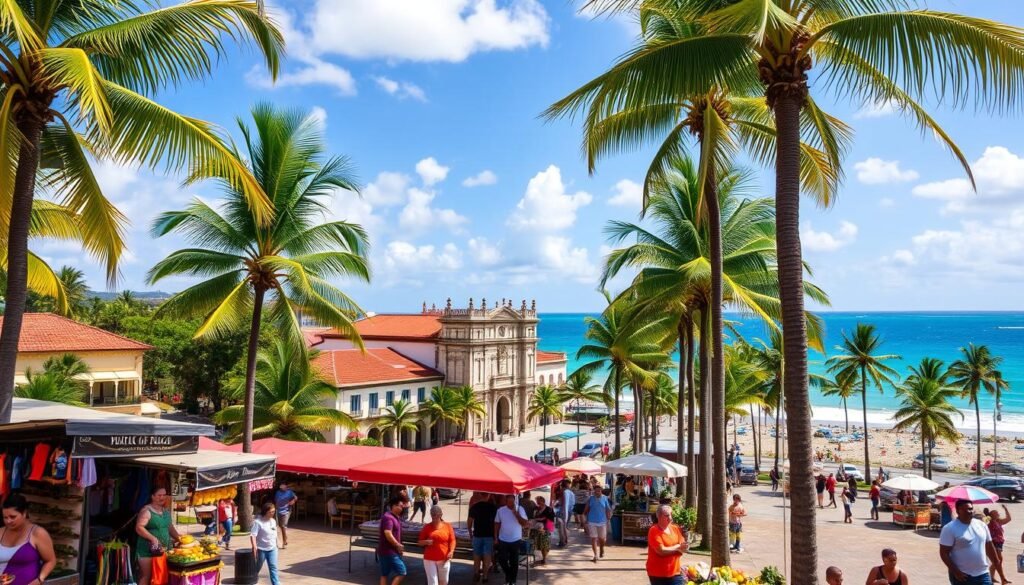
Surprising fact: the island hosts the only tropical rainforest in the U.S. National Forest System and three glowing bays, making it a tiny place with a huge variety of landscapes.
I wrote this guide because I want your trip to hit the highlights without wasting time. I show how Old San Juan’s cobblestones and forts pair well with a rainforest hike and a night paddle in a bio bay.
Expect clear advice: which beaches are family-friendly, where Spoon Food Tours gives the best flavor intro, and how to set realistic expectations for each glowing bay.
The city stops—El Morro, Castillo San Cristóbal, and colorful streets like Calle del Cristo and Fortaleza—are great photo ops and easy to fit into a short visit.
Use this guide as a flexible route map so your days flow naturally. I help you choose when to book ferries, how to pair daytime hikes with evening paddles, and which beaches or islands merit a full-day visit.
Key Takeaways
- I outline a balanced route that covers Old San Juan, El Yunque, bio bays, and top beaches.
- Learn which city stops and streets deliver the best history and photos.
- I recommend food and tasting tours that maximize flavor and local stories.
- Find family-friendly beaches near San Juan and a route to Flamenco Beach on Culebra.
- Get practical tips on timing, bookings, and pairing experiences for smooth days.
Why I Fell for Puerto Rico: My Quick Picks and How to Use This Guide
The island hooked me through small moments: a fort at dusk, a waterfall plunge, and a late-night paddle.
I keep this short so you can plan by the clock. If you have little time, wander Old San Juan, tour El Morro, take a Spoon Food Tour, hike an El Yunque lookout, then cap the night with a bio bay paddle.
If you have a full day, pair El Yunque with Laguna Grande. For a weekend, add Luquillo or Seven Seas and an evening in Santurce or La Placita. For a week or more, consider Flamenco Beach or a west-coast swing through Rincón.
Culture matters: Afro‑Puerto Rican roots show up in Loíza and Piñones, where food and music meet real people. In San Juan I use Uber; when I head east or west I rent a car for beaches and trailheads.
- Pick the region you’ll sleep in, then add nearby stops to save driving and max outdoor time.
- Each section has logistics and realistic expectations for brightness, crowds, and bookings.
- Bookmark this road trip itinerary and jump to the part of the island you plan to explore.
Old San Juan Essentials: Cobblestones, Color, and Centuries of History
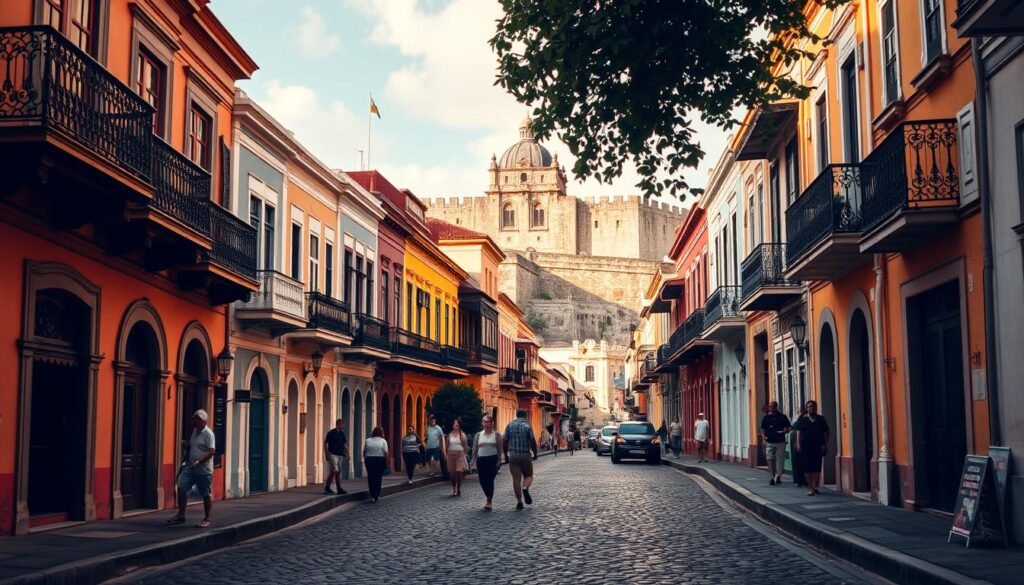
Wandering Old San Juan feels like stepping through layered chapters of Caribbean history. I start at Plaza Colón or the San Juan Gate and walk uphill for trade-wind breezes and sweeping Atlantic views.
El Morro (Castillo San Felipe del Morro) and Castillo San Cristóbal are UNESCO-listed fortifications with panoramic ocean views. One ticket covers both forts if used within 24 hours, and kids enter free. Ranger talks bring the past alive.best-time-to-visit-maine
I carve out photo stops along Calle de la Fortaleza and Calle del Cristo—those colorful umbrellas and balconied buildings make for easy shots.
El Paseo de la Princesa leads along San Juan Bay to the gate. It is best near sunset; busy cruise mornings fill the promenade. Inside the walls, I pause at small cafés, galleries, and Pigeon Park for a breather.best-time-to-visit-machu-picchu
Culture and practical tips
- Pair Museo de las Américas (rotating heritage exhibits, kids’ workshops) with Museo de Arte’s sculpture garden and hands-on halls.
- Plan at least half a day here; the city rewards slow wandering and lingering in plazas.
- Use the free trolley when it runs if your legs need a break between major sites.
Taste of the Island: Food Tours, Classic Restaurants, and Where I Ate Twice
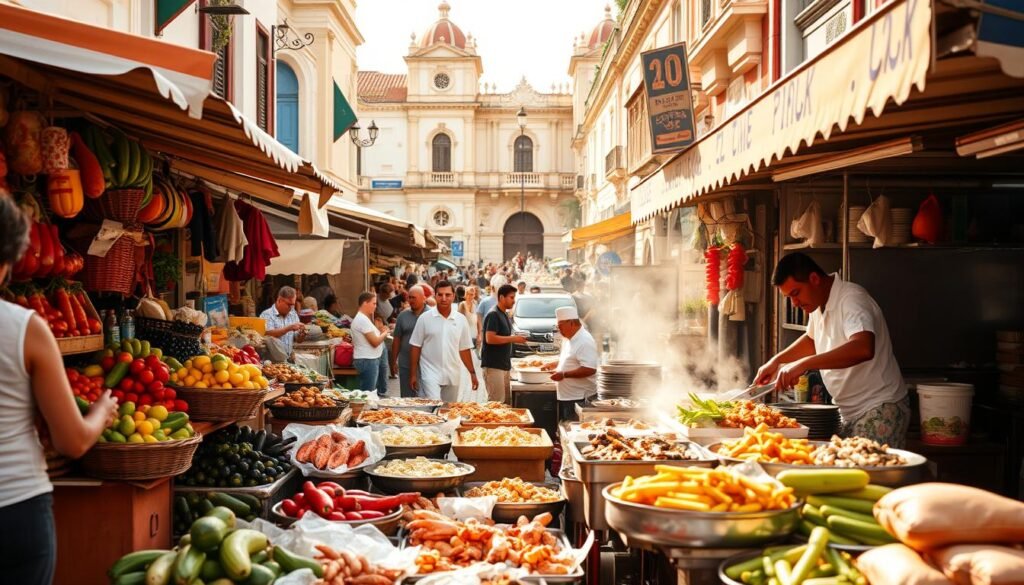
Good food shows you a place’s history faster than any museum. I start my culinary tours in Old San Juan, where every snack has a story.best-time-to-visit-fiji
Spoon Food Tours’ Sunset Walk & Taste is my go-to. The route includes Chocobar Cortés, where chocolate paired with cheese surprised me. The guide mixed history with tastes, and I left with Cortés bars and new favorites.
Deaverdura earned a repeat visit. Its sampler plates and fresh juices felt like a farm-to-table version of classic Puerto Rican cooking. I loved the sauces—mojo with pork and the plantain dip.
Spoiled by sweets: paletas and piña coladas
I never skip Señor Paleta for a cool treat. For a classic piña colada moment, Barrachina or the Caribe Hilton still do it best.best-cities-to-visit-in-japan
Luquillo Kiosks and seaside comfort
East of the city, the kiosks line the shore. Terruño (kiosk #20) serves great mofongo and seafood with an ocean breeze. These casual restaurants are perfect after a beach or rainforest day.
“I eat my way through neighborhoods; food tours double as a local orientation.”
- I scatter café breaks during walks—frappes, shade, and people-watching.
- If you have dietary needs, email ahead; most places offer alternatives.
- Eating around San Juan is the best way to learn its story and build your own list of favorites.
El Yunque Rainforest Adventures: Waterfalls, Towers, and Trails
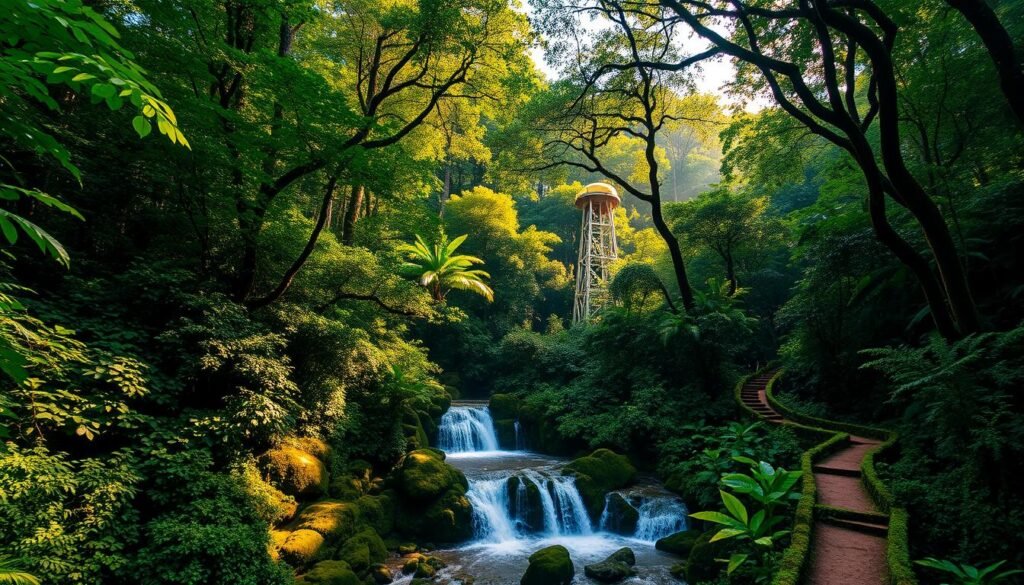
El Yunque sits about an hour from San Juan, and I treat it as a half- or full-day escape packed with green canopies and cooling streams.
I start at El Portal Visitor Center for maps, quick exhibits, and a coffee before hiking. From there I plan short stops so the day stays flexible.
Juan Diego Falls, La Coca, and Angelito Trail
La Coca Falls is an iconic roadside cascade I visit first for photos. A short walk brings me to Juan Diego Falls for a quick swim and river play.
The Angelito Trail is about a one-mile roundtrip. It’s family-friendly and ends at a calm river spot that invites splashing and rest.
Mt. Britton and Yokahú Tower
On clear days I climb Yokahú Tower or hike toward Mt. Britton Tower. Both offer sweeping views and a cool cloud-forest breeze.
These overlooks are my reward for a short climb and deliver the panoramic views worth the effort.
Guided Waterfall Hikes and Ziplines
If I want an adrenaline mix, I book a guided waterfall hike. Tours often include natural slides, cliff jumps, and transportation from San Juan.
Bringing a dry bag, water shoes, and a change of clothes makes these options easy and comfortable.
- Quick plan: visitor center, La Coca, Juan Diego, Angelito, then a tower if time allows.
- Driving tip: a car gives you the freedom to hop between pullouts and short trails.
- Cell service: can be spotty—download offline maps before you visit.
| Stop | Time Needed | What I Expect |
|---|---|---|
| El Portal Visitor Center | 20–30 min | Maps, exhibits, snacks, orientation |
| La Coca Falls | 15–30 min | Photos at roadside cascade |
| Juan Diego Falls | 30–45 min | Short walk, swim, river play |
| Angelito Trail | 45–60 min | Easy family hike to calm river |
| Yokahú / Mt. Britton | 30–90 min | Panoramic views and cooler air |
“I download offline maps and pack water shoes—rain moves quickly in the forest, but the views and pools make every wet minute worth it.”
Glowing Nights: Bioluminescent Bays You Can’t Miss
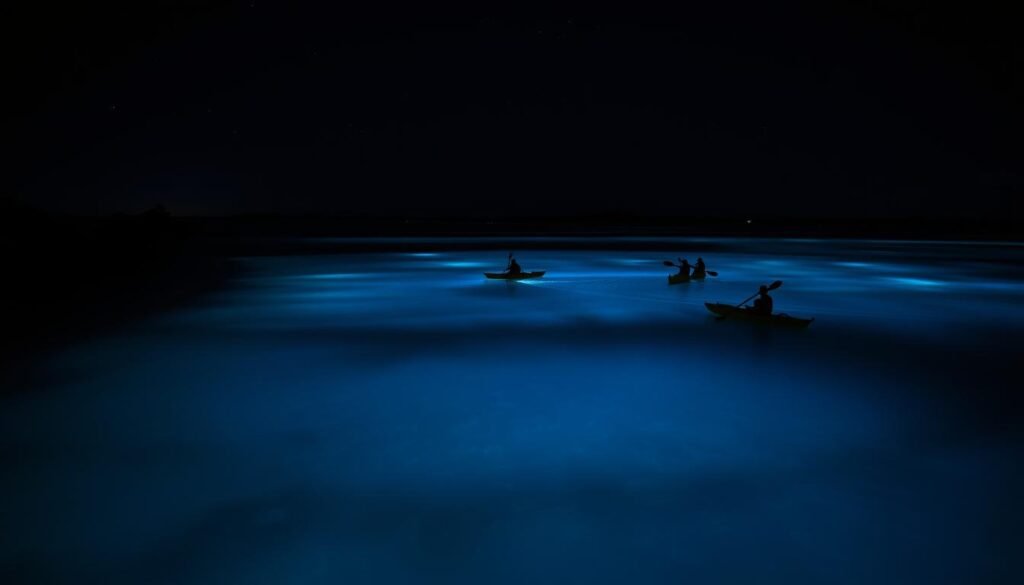
Nightfall on the water brings a quiet, neon-like shimmer that feels unreal.
Puerto Rico has three must-see bio bays. Each offers a different pace and setting. I plan around moon phases because darker skies give the best glow.best-time-to-visit-chicago
Laguna Grande (Fajardo)
Laguna Grande is my pick after a day in El Yunque. I paddle through a mangrove tunnel, then float as the bay lights up. Tours depart near dusk and many provide transport from San Juan.
Mosquito Bay (Vieques)
Mosquito Bay is often called the brightest in the world. If I stay overnight on Vieques, this is the top attraction for evening paddles.
La Parguera (Lajas)
La Parguera stands out because you can swim there. Guides show how small hand movements trigger sparkles and how to move safely in the water.
“The glow is subtle and live—most cameras won’t capture it, and that’s part of the charm.”
- I check tour times and arrive early for a safety briefing.
- If the moon is bright, many guides use tarps to block light so the dinoflagellates show better.
- I pack quick-dry clothes, a change, and lock valuables—everything gets wet.
- Make sure your expectations are set: the moment is best enjoyed with your eyes, not your lens.
This low-key experience is one of my favorite memories from Puerto Rico. Quiet sky above, glowing ripples below—simple and unforgettable.
Beaches Near San Juan: Easy, Family-Friendly Spots I Love
A quick beach hop from San Juan gives you calm water, good snacks, and no-fuss parking. I pick spots that work for kids and for a lazy afternoon, then add a kiosk dinner when the sun dips.
Luquillo Beach
Luquillo has ample parking and shallow water that feels safe for small swimmers. The Luquillo Kiosks are a short walk away, so dinner is an easy, open-air choice after a day by the sea.
Seven Seas (Fajardo)
Seven Seas is a local favorite for clear, shallow water and easy kayak rentals right from the sand. Expect a small parking fee and bring a few bills for kiosks or gear rental.
Piñones and Isla Verde
If I want local flavor close to the city, I head to Piñones for golden sand and Afro‑Puerto Rican kiosks. Isla Verde offers resort-backed stretches with gentle swimming and services if I want a no-fuss day.
“I arrive early on weekends—lots fills fast and midweek afternoons are usually the calmest.”
- Pairing tip: Luquillo or Seven Seas pairs nicely with El Yunque—both are only minutes away and make a full-day loop.
- I carry cash for parking and restaurants along the beach strip.
- For families, these calm water spots are ideal for first snorkel practice before heading to islands like Culebra.
| Beach | Feature | Why I Pick It |
|---|---|---|
| Luquillo | Ample parking, calm water | Easy family beach + nearby kiosks for dinner |
| Seven Seas | Clear, shallow water, kayak rentals | Local favorite for paddling and swimming |
| Piñones / Isla Verde | Golden sands, kiosks, resort services | Local food vibes or no-fuss hotel access |
For a short guide to the best shore spots near the city, see a focused list of local options here: best beaches in San Juan.
Day Trip to Culebra: Flamenco Beach and Island Time
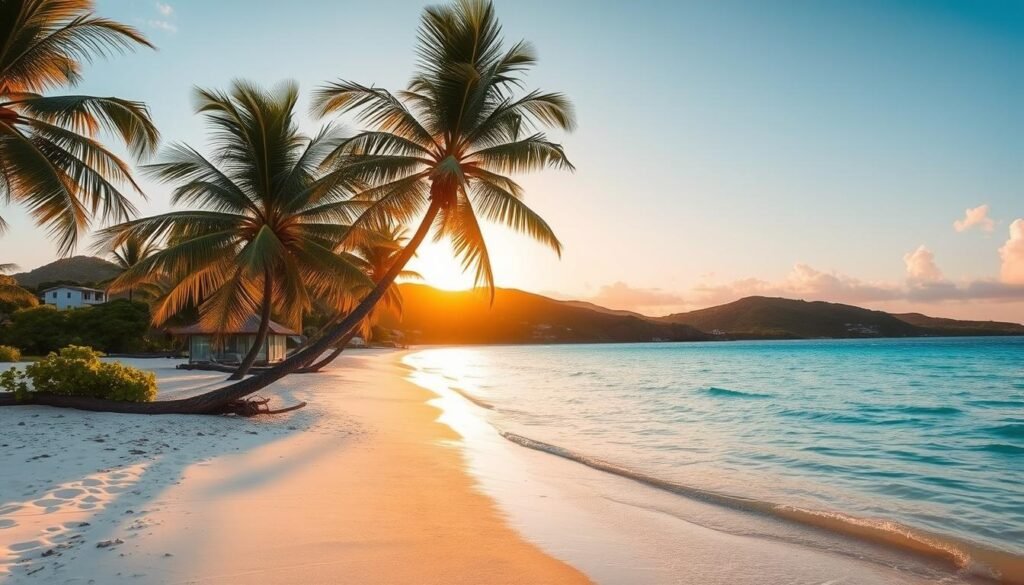
A day on Culebra feels like pressing pause—Flamenco’s sand and reef take over the clock.
I travel 17 miles off the east coast of Puerto Rico for one spectacular shore and a few small pleasures. I choose the earliest crossing I can and try to switch to a later return if I want extra time on the sand.
Ferry vs. flight: how I planned my trip
I compare options: the ferry is budget-friendly but often sells out; the short flight costs more yet saves hours. If I take the ferry, I book ahead and aim for weekday sailings to avoid crowds.best-time-to-visit-colorado
What I pack and how I move around
I pack reef-safe sunscreen, a rash guard, and snorkel gear. Flamenco lives up to the hype—soft sand, clear water, and easy shore snorkeling for beginners.
I rent a golf cart to hit viewpoints and small coves. For food, I keep it simple and eat at casual spots near the ferry dock or beach vendors when they’re open.
“Slow down: one perfect beach and a few places to wander make this a memorable day trip.”
| Option | Cost | Why I Pick It |
|---|---|---|
| Ferry | Low | Budget-friendly; needs planning; later returns add beach time |
| Flight | Higher | Fast; more flexible when time is tight |
| On-island transport | Moderate | Golf cart or taxis let you explore viewpoints and restaurants |
Rincón and the West Coast: Surf, Sunsets, and Chill Vibes
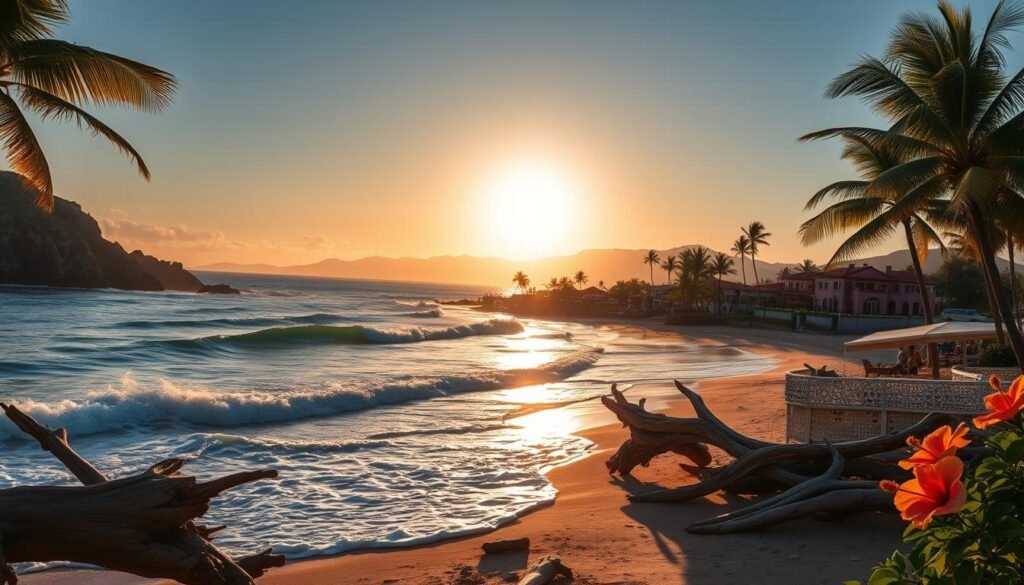
The west coast feels like a different island: low-key surf towns, long sunsets, and a relaxed pace that invites extra naps.
I time my drive from the north so I arrive before sunset. Even short visits reward me with wide views and a calm evening mood.
Crash Boat in Aguadilla is lively — food trucks, cold coconuts, and a social crowd. Steps and Tres Palmas are my picks for snorkeling and clearer water on calm days. Maria’s and Domes offer world-class surf watching; I sit, sip, and cheer from the shore.
For mellow swimming I choose Corcega. When conditions line up, I book a sunset catamaran tour and toast the horizon. If I want lessons, Rincón has schools for true beginners and kids.
“Weekdays here are my secret: quieter beaches, easier parking, and a slower rhythm that really feels like a coastal reset.”
| Spot | Why I Visit | Best Hours |
|---|---|---|
| Crash Boat | Vendors, swimming, lively crowd | Late morning–evening |
| Steps / Tres Palmas | Snorkel, marine reserve | Calm mid-morning |
| Maria’s / Domes | Surf watching, energy | Afternoon into sunset |
| Pintalto murals (Aguadilla) | Public art detour, local culture | Any daylight hours |
Southwest Gems: Cabo Rojo Cliffs, Salt Flats, and La Parguera
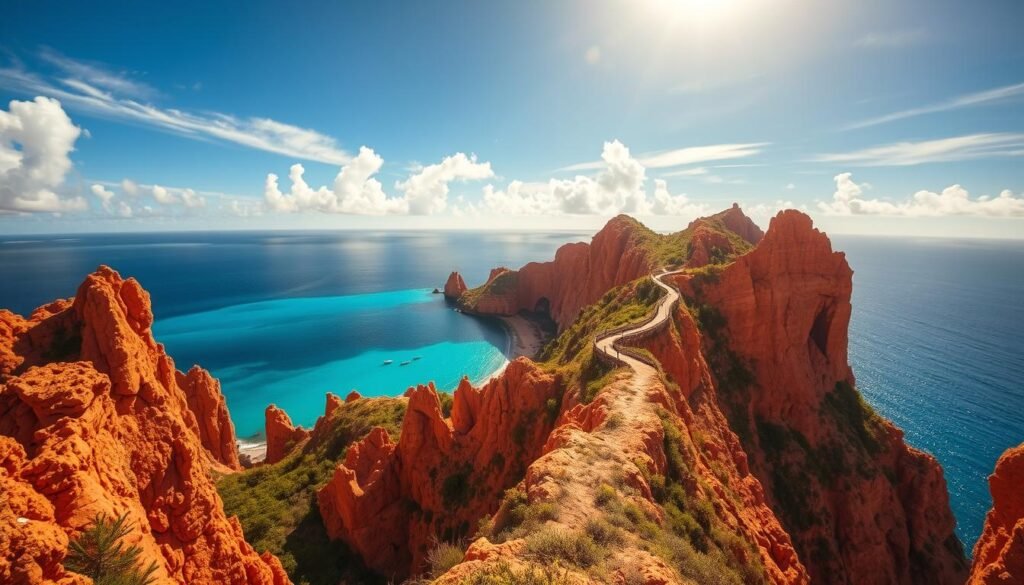
I head southwest for a day that mixes wind-buffed cliffs, pink-white salt flats, and a rare night swim under stars.
I arrive early at Los Morrillos Lighthouse to walk the limestone promontory and scan the sea. The short coastal hike rewards big views but watch your footing and respect signs near cliff edges.
Playa Sucia sits below dramatic bluffs. Bring plenty of water, sun protection, and a light pack—shade is scarce. Roads here can be bumpy and parking tight, so I avoid busy weekend times.
The nearby salt flats and wildlife refuge offer unusual photo ops. On bright days the flats shimmer a pale, otherworldly tone that feels like a small corner of the world set aside for quiet wandering.
Swim the glow at La Parguera
La Parguera is special: it’s the only bio bay where you can swim. Tours leave about one to two hours before dusk, and guides show gentle movements that make the water sparkle without stirring sediment.
“I wear a snug suit, bring a towel, and let the glow be the moment—it’s unlike kayak bays I’ve seen elsewhere.”
- I book a dusk tour from Lajas and ask about swim-friendly options.
- Most operators keep lights low and provide masks; follow guide instructions to protect the organisms.
- With cliffs, beaches, and bioluminescence in one area, this makes a perfect add-on for a longer route around puerto rico.
Ponce and Beyond: Architecture, Parks, and Local Flavor
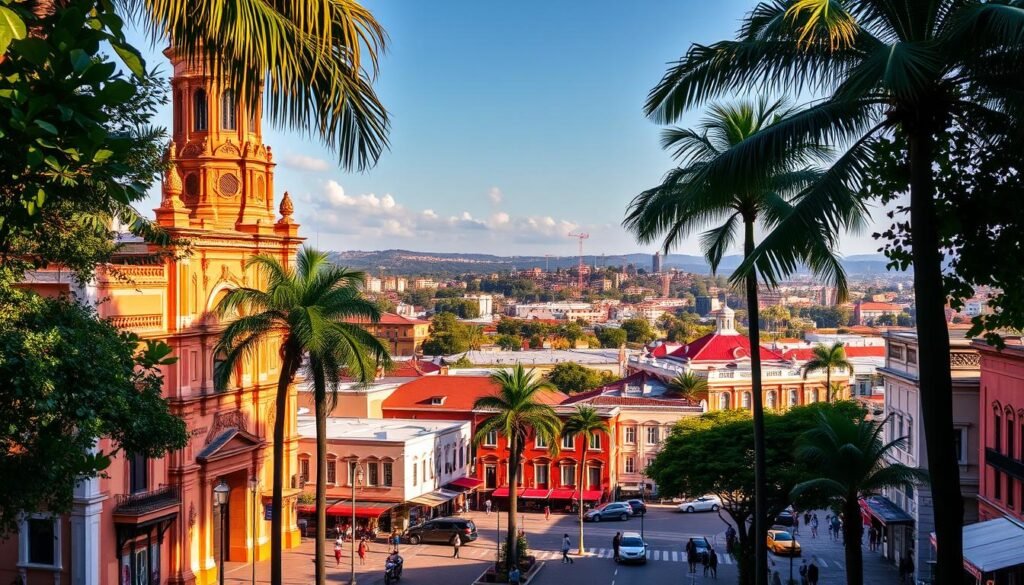
Ponce unfolds as a compact blend of plazas, color, and hilltop views that reward a slow morning.
I drive about an hour and twenty minutes south of San Juan for a different side of the island. I start at Plaza Las Delicias where the black-and-red Parque de Bombas makes for classic photos. I linger by the fountains and the cathedral and let the square set the pace.
Parque de Bombas and Plaza Las Delicias
Plaza shots are quick, but I plan extra time for cafés and bakeries nearby. I ask locals for lunch picks; family-run restaurants often beat guidebook names.
Cruceta del Vigía and Castillo Serrallés
For a panorama I head up to the Cruceta del Vigía and Castillo Serrallés. Both offer clear views of the city layout and layered history. These vantage points show restored buildings beside ones still under repair—part of the recovery story.
- I leave early from San Juan when I day-trip; an extra hour makes the visit relaxed.
- La Guancha’s boardwalk, when open, provides sea air and casual family vibes.
- Carry a flexible plan: hours shift and chatting with people on the ground helps.
“Ponce gives architecture, plazas, and hilltop views in one compact circuit—pack curiosity and a camera.”
Caves, Rivers, and Underground Wonders
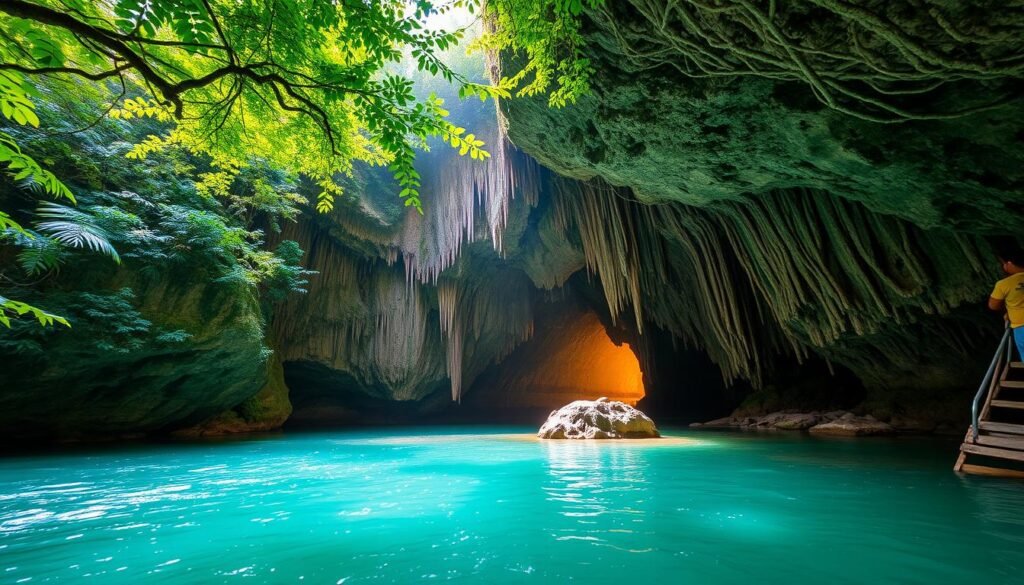
Beneath the island’s palms lies a karst landscape that feels almost otherworldly. The park at Camuy spans over 10 miles of caverns and more than 220 caves, though only a portion is open for visitors.
Camuy River Cave Park: Reservations are required by phone and can take persistence. Trolleys have been suspended at times after storms, so walking routes and hours vary—I call ahead and check current access before I leave.
Guided cave-and-river adventures
For a more active experience, I book a guided cave-and-river tour that includes swims, floats, and hidden waterfalls. Many operators offer pickup from San Juan and cover transportation, which is handy if you skip the car.
- I wear sturdy shoes, bring a small flashlight, and pack a dry change for the return ride.
- These guided routes last several hours; snacks and water are useful on the trail.
- If mobility concerns exist, I ask operators about the flattest options before booking.
“Karst country feels like another world—cathedral caverns, sinkholes, and rivers that echo for miles.”
Family-Friendly Things to Do in Puerto Rico
I arrange outings that balance movement and rest—quick hikes, calm shores, and a fort visit for easy thrills.
I plan one short hike—the five-minute walk to Juan Diego Falls or the Angelito Trail—so kids earn a river swim without a long trek.
Yokahú Tower gives little legs a big reward; Mt. Britton is a moderate climb for families who want extra views.
Calm shores and playful history
For safe water and space, I pick Luquillo or Seven Seas. Both have shallow surf, room to spread out, and kiosks for snacks.
Old San Juan’s El Morro is a hit: open lawns, ramps, and cannons that spark curiosity. Kids enter free and a single ticket often covers both forts.
Evening glow and easy snorkeling
For a magical night, I book an early Laguna Grande kayak tour so younger kids can be tucked in after the ride.
When conditions are calm, beginners try snorkeling off Flamenco Beach on Culebra—gentle reefs make great starters.
“We take breaks for paletas and frappes—small treats that keep spirits high and energy steady.”
- Packing tip: reef-safe sunscreen, hats, rash guards.
- Museum plan: keep visits short—Museo de las Américas and the Museo de Arte garden fit well.
- Plan one main stop per day: a short trail, a beach, and a light history stop.
For more family ideas, see this helpful guide: family ideas.
Planning the Practicalities: Transportation, Ferries, and Timing
Getting around well makes the whole trip smoother. I balance convenience, cost, and flexibility when choosing transport options for each day.
Car rentals vs. tours vs. rideshares: In San Juan I rely on Uber for quick hops. When I head east or west for beaches and trails, I rent a car so I can stop where I want and keep my schedule. If driving stresses you out, guided tours with hotel pickup are an easy, low-stress alternative.
Ferry and flight tips for Vieques and Culebra
Ferries can sell out, so I plan weekday crossings when possible and arrive early at the terminal. Short flights cost more but save valuable hours and let me take a later return if I want extra beach time.
Timing around cruise ship mornings and bio-bay departures
Cruise days pack Old San Juan and Paseo de la Princesa mid-morning. I visit later or at sunset to avoid crowds. For Laguna Grande and other bio bays, most tours leave near dusk; I pick slots based on moon phases and family bedtimes.
| Scenario | Best Option | Why I Pick It |
|---|---|---|
| Short city trips | Rideshare (Uber) | Cheap, abundant, no parking hassle in San Juan |
| Island exploration (east/west) | Rental car | Freedom to reach beaches, trailheads, and small towns |
| Vieques / Culebra crossing | Ferry or short flight | Ferry is budget-friendly; flight saves an hour and time |
| Bio-bay night | Guided tour with pickup | Includes briefing, transport, and better timing for dusk departures |
“Screenshot confirmations, carry some cash for kiosks, and pick weekday crossings when you can—small moves that save time and stress.”
things to do in puerto rico: Build Your Perfect Trip by Region
Plan your days by region so each drive feels short and each sunset fits the mood you want.
San Juan and Old San: History, food, and nightlife
I use San Juan as my base for history-rich mornings and food-filled evenings. Walk the forts at El Morro and Castillo San Cristóbal, then wander Calle Fortaleza and Calle del Cristo for colorful photos.
I usually book a Spoon Food Tour and leave time for La Placita or La Factoría after dusk. That mix of walking, tasting, and nightlife keeps the city lively without overpacking the day.
East side: El Yunque, Laguna Grande, Luquillo
East days pair short rainforest hikes—Angelito, Juan Diego, Yokahú Tower—with an afternoon at Luquillo or Seven Seas. I often plan a late Laguna Grande kayak tour that moves the day from green forest to glowing water.
West and Southwest: Rincón, Cabo Rojo, La Parguera
On the west coast I slow down for surf, sunsets, and small beaches. Crash Boat and Steps offer easy swimming and snorkel spots. In Cabo Rojo I visit the lighthouse and Playa Sucia for cliff views, then head south for a La Parguera swim-in bio bay tour.
If I add islands, a short flight from San Juan makes Vieques or Culebra convenient and saves time when schedules are tight.
“This regional plan cuts drive time, groups highlights, and leaves built-in rest afternoons so travel stays fun, not frantic.”
| Region | Highlights | Why I Pick It |
|---|---|---|
| San Juan / Old San | El Morro, Calle Fortaleza, Spoon Food Tours, La Placita | History, food, nightlife within walking loops |
| East | El Yunque trails, Luquillo, Seven Seas, Laguna Grande | Hike + beach + nightly bio-bay pairing |
| West / Southwest | Rincón surf spots, Cabo Rojo lighthouse, La Parguera swim bay | Sunsets, surf watching, unique bioluminescent swim |
| Islands (optional) | Culebra, Vieques (flight options) | Flamenco Beach, Mosquito Bay; fast connections by flight |
Conclusion
When I sum up a stay, three memories usually last: El Morro at dusk, a splash in El Yunque, and a quiet paddle through a glowing bay. These moments capture culture, nature, and the island’s friendly people.
Make sure your plan includes at least one city morning in Old San Juan, an easy rainforest stop, and an evening on the water. Use this guide to plug beaches, restaurants, and neighborhoods into a rhythm that fits your trip.
Puerto Rico rewards slow mornings and flexible afternoons. Leave room for surprises and local tips—that’s the best way to turn a visit into a real experience.